Why Starlink Matters More Than Ever in 2026
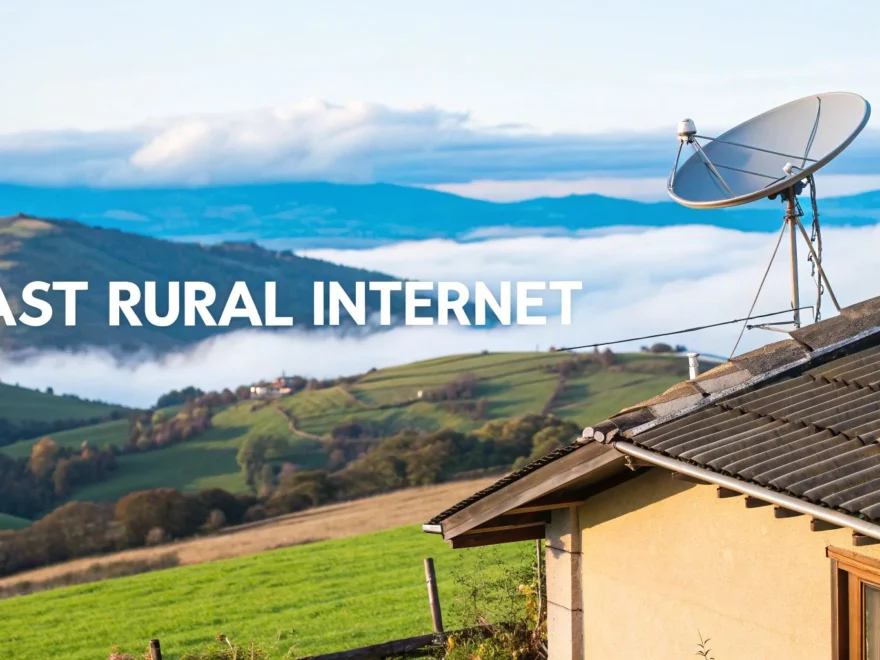
Reliable internet access is still uneven across the world. In 2026, Starlink continues to position itself as the most ambitious solution for high speed connectivity in remote, rural, and mobile environments.
With thousands of low Earth orbit satellites, improved hardware, and expanding global coverage, Starlink is no longer just an experiment. It is becoming a serious alternative to traditional broadband and fiber in many regions.
This review breaks down how Starlink works, its real world speeds, technical specifications, pricing, country availability, and what is new heading into 2026.
How Starlink Works
Starlink delivers internet using a constellation of low Earth orbit satellites instead of underground cables or cellular towers.
The system includes:
- A satellite dish that tracks satellites automatically
- A Wi Fi router
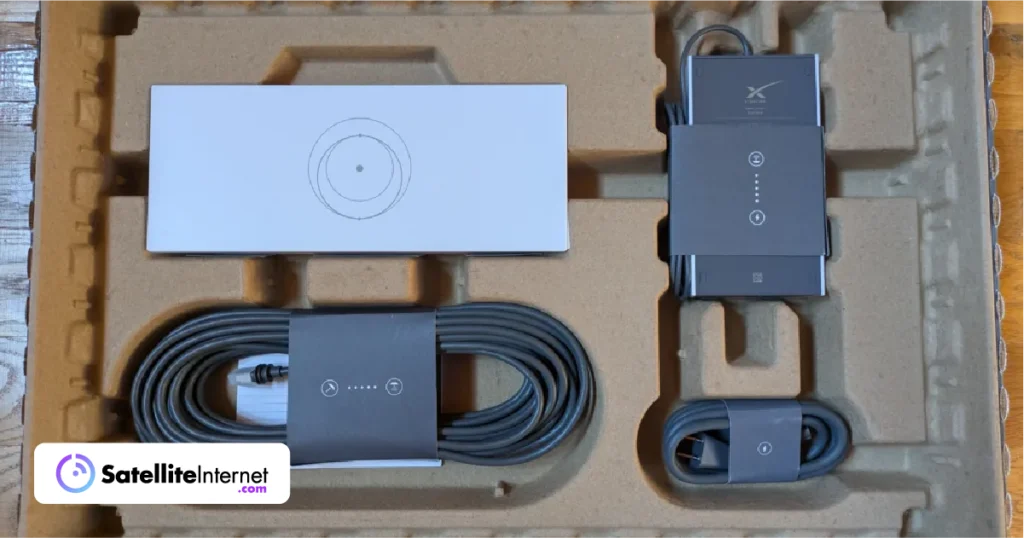
- A power supply and mounting hardware
Because satellites orbit much closer to Earth than traditional satellite internet, Starlink offers significantly lower latency and higher speeds.
This type of infrastructure supports the broader shift toward autonomous and AI driven homes, a concept explored in Alexa vs Physical AI Devices Review: Voice Assistants or Screenless AI, Who Wins in 2026?, where constant connectivity becomes essential.
Starlink Hardware Specifications for 2026
Standard Starlink Kit
| Feature | Specification |
|---|---|
| Dish Type | Phased array antenna |
| Field of View | Wide angle auto tracking |
| Operating Temperature | -30°C to 50°C |
| Snow Melt Capability | Yes |
| Weather Resistance | Rain, snow, wind |
| Mount Options | Roof, pole, RV, flat |
| Router | Wi Fi 6 |
| Ethernet Port | Included |
| Power Consumption | 50 to 75 watts |
High Performance and Mobile Options
| Model | Use Case |
|---|---|
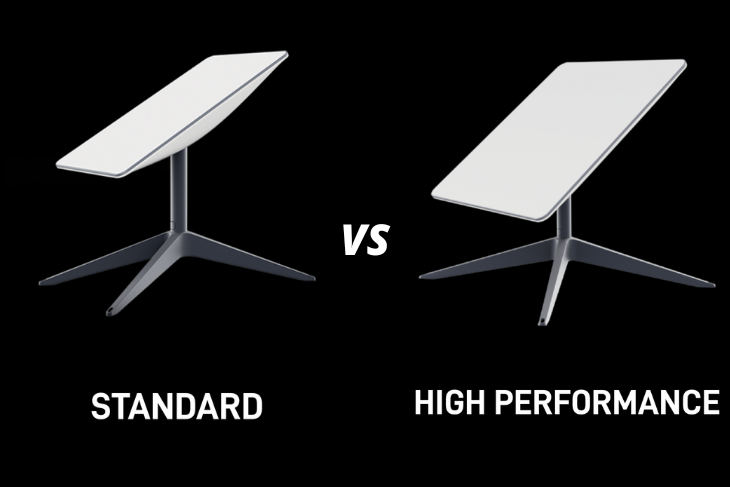
| High Performance Dish | Businesses and harsh climates |
| Flat High Performance | Vehicles and boats |
| Starlink Mini | Portable and travel use |
Download and Upload Speeds in 2026
Real world performance continues to improve as SpaceX launches more satellites.
Average Speeds by Plan
| Plan | Download Speed | Upload Speed | Latency |
|---|---|---|---|
| Residential | 100 to 250 Mbps | 10 to 30 Mbps | 20 to 40 ms |
| Priority | 150 to 350 Mbps | 20 to 40 Mbps | 20 to 35 ms |
| Mobile | 50 to 200 Mbps | 5 to 25 Mbps | 30 to 50 ms |
Performance varies based on location, network congestion, and weather, but overall reliability is significantly better than traditional satellite internet.
Starlink Coverage and Country Availability
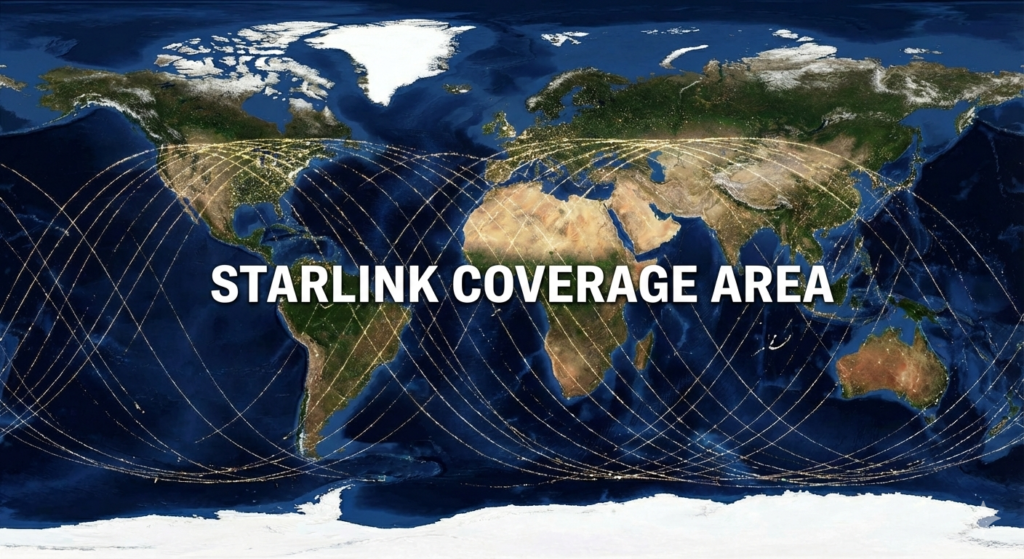
By 2026, Starlink serves most of North America, South America, Europe, Australia, and large parts of Asia and Africa.
Countries With Full or Expanding Coverage
- United States
- Canada
- United Kingdom
- Most EU countries
- Brazil
- Chile
- Australia
- Japan
- Philippines
- Nigeria
- South Africa
Countries With Limited or Pending Approval
- China
- Russia
- Iran
- North Korea
- Some parts of the Middle East
Availability depends on regulatory approval rather than technical limitations.
Starlink Plans and Pricing in 2026
Estimated Pricing
| Plan | Monthly Cost | Hardware Cost |
|---|---|---|
| Residential | $120 | $599 |
| Priority | $250 | $2,500 |
| Mobile | $150 | $599 |
| Maritime | $250 to $1,000 | $2,500 |
Prices vary by region and taxes.
Signal Quality and Reliability
Starlink performs best with a clear view of the sky. Obstructions like trees or buildings can cause brief interruptions.
Strengths include:
- Stable speeds during peak hours
- Low latency suitable for video calls and gaming
- Automatic satellite switching
Limitations still exist in heavily congested areas, but overall uptime continues to improve.
New Starlink Developments Heading Into 2026
Key projects and improvements include:
- Second generation satellites with higher bandwidth
- Better congestion management using AI
- Improved roaming support for mobile users
- Expanded direct to device connectivity for emergency use
These upgrades make Starlink more compatible with advanced smart environments, including AI driven workspaces like those discussed in AI Smart Desks Review: Are Intelligent Desks the Next Big Productivity Upgrade in 2026?.
Amazon Affiliate Product Placement
Recommended accessories for Starlink users:




- Starlink Standard Kit
- Starlink Roof Mount
- Starlink Ethernet Adapter
- Weatherproof Cable Routing Kit
- Outdoor Network Surge Protector
These products improve installation quality, safety, and performance.
User Reviews and Ratings
Installation Experience
Rating: 4.7 out of 5
Most users report simple setup with clear instructions and fast activation.
Speed and Reliability
Rating: 4.6 out of 5
Users in rural and remote areas highlight dramatic improvements over DSL and legacy satellite services.
Mobility and Travel Use
Rating: 4.5 out of 5
RV and mobile users appreciate consistent connectivity across regions.
Overall Satisfaction
Rating: 4.6 out of 5
Starlink is widely seen as the best option where fiber or cable is unavailable.
Frequently Asked Questions
Is Starlink good for gaming in 2026?
Yes. Latency is low enough for most online games, though occasional spikes may occur.
Does Starlink work during bad weather?
Rain and snow can slightly affect performance, but outages are rare thanks to automatic satellite switching.
Can Starlink replace fiber internet?
In urban areas, fiber remains superior. In rural and remote locations, Starlink is often the best option available.
Is Starlink available everywhere?
No. Coverage depends on country regulations, not satellite capacity.
Is Starlink worth the cost?
For users without access to reliable broadband, the value is very high.
Who Should Use Starlink in 2026?
Starlink is ideal for rural households, travelers, remote workers, and anyone living beyond the reach of traditional broadband.
It is not the cheapest option, but it delivers something most competitors cannot. Consistent high speed internet almost anywhere.
As homes become more autonomous and AI driven, a trend also reflected in AI Home Robots Review: Beyond Robot Vacuums, What Can Robots Actually Do at Home in 2026?, reliable connectivity becomes non negotiable. Starlink positions itself as the backbone for that future.
One comment