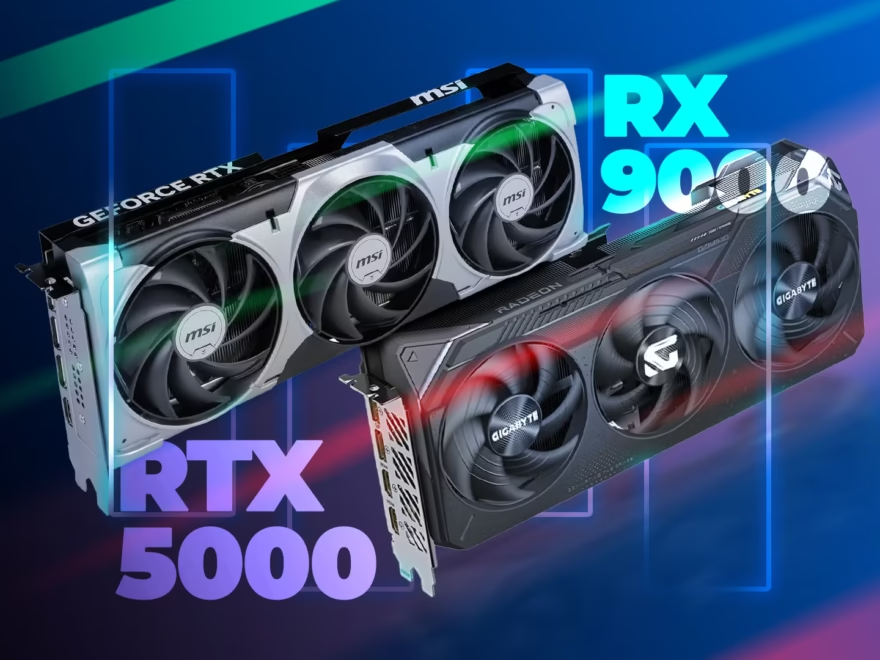
A New GPU Battle in 2025
The GPU market in 2025 is once again divided between two giants. NVIDIA launches the RTX 50 Series with a strong focus on AI acceleration and efficiency, while AMD responds with the Radeon RX 9000 Series, emphasizing raw raster performance and aggressive pricing.
For gamers, creators, and PC builders, the key question is simple. Which lineup actually delivers better value today?
This guide breaks down confirmed models, real world performance expectations, AI capabilities, power efficiency, pricing context, and which type of user each GPU series truly serves best.
RTX 50 Series and RX 9000 Series Overview
Both families represent a generational shift rather than a minor refresh. NVIDIA leans heavily into AI driven rendering, while AMD continues refining its RDNA architecture for cost effective performance.
If you want a deeper dive into AMD’s standalone strategy, architecture changes, and expected value positioning, this analysis connects well with AMD Radeon 2025 GPUs: New Releases, Performance Expectations, and Value, which expands on AMD’s long term roadmap.
NVIDIA RTX 50 Series Models and Specifications
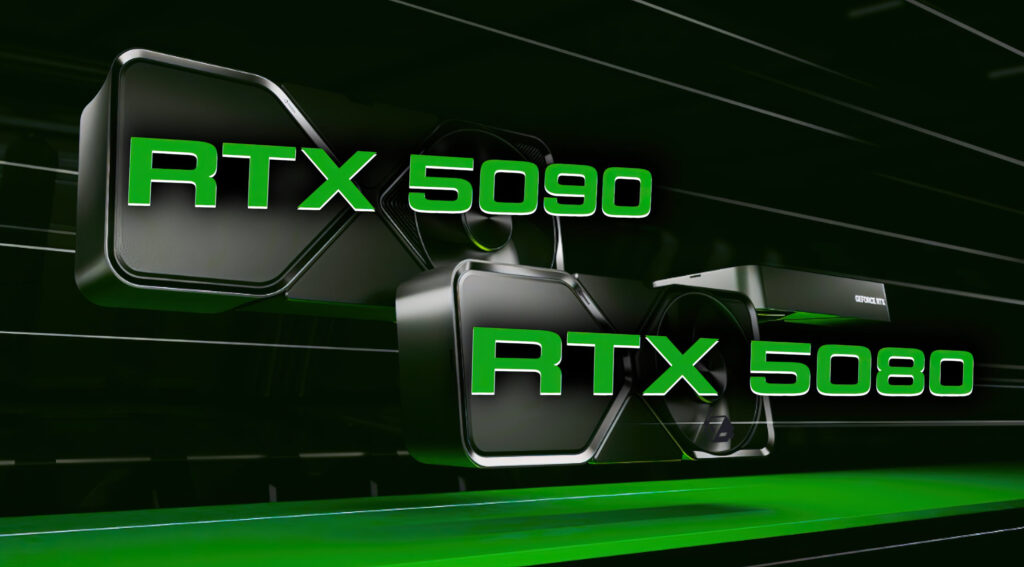
Confirmed RTX 50 Lineup
| Model | VRAM | Memory Type | Power Draw | Target Resolution | Expected Price |
|---|---|---|---|---|---|
| RTX 5090 | 24 GB | GDDR7 | ~450W | 4K Ultra | $1,999 |
| RTX 5080 | 16 GB | GDDR7 | ~350W | 4K High | $1,199 |
| RTX 5070 Ti | 16 GB | GDDR7 | ~300W | 1440p Ultra | $799 |
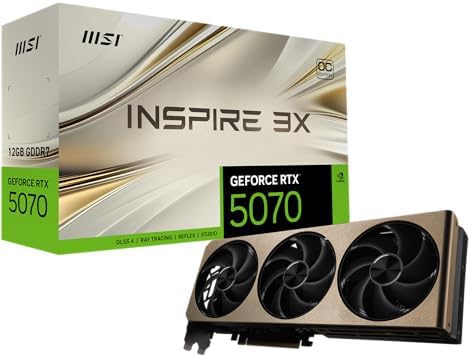
| RTX 5070 | 12 GB | GDDR7 | ~250W | 1440p High | $649 |
| RTX 5060 Ti | 12 GB | GDDR6 | ~220W | 1080p Ultra | $499 |
Key NVIDIA Advantages
- DLSS 4 with enhanced AI frame generation
- Superior ray tracing efficiency
- Strong AI acceleration for creators and developers
- Better optimization for modern game engines
A more focused breakdown of NVIDIA’s confirmed technologies and who should realistically upgrade can be found in NVIDIA RTX 50 Series in 2025: What Is Confirmed, What Matters, and Who Should Upgrade.
AMD Radeon RX 9000 Series Models and Specifications
Confirmed RX 9000 Lineup
| Model | VRAM | Memory Type | Power Draw | Target Resolution | Expected Price |
|---|---|---|---|---|---|
| RX 9900 XTX | 24 GB | GDDR6 | ~420W | 4K Ultra | $1,099 |
| RX 9900 XT | 20 GB | GDDR6 | ~380W | 4K High | $899 |
| RX 9800 XT | 16 GB | GDDR6 | ~320W | 1440p Ultra | $699 |
| RX 9700 XT | 12 GB | GDDR6 | ~260W | 1440p High | $549 |
| RX 9600 XT | 8 GB | GDDR6 | ~200W | 1080p High | $399 |
Key AMD Advantages
- Strong rasterized performance per dollar
- Larger VRAM allocations at lower prices
- Competitive power efficiency improvements
- Open source upscaling technologies
Performance Comparison in Real Games
Raster Performance
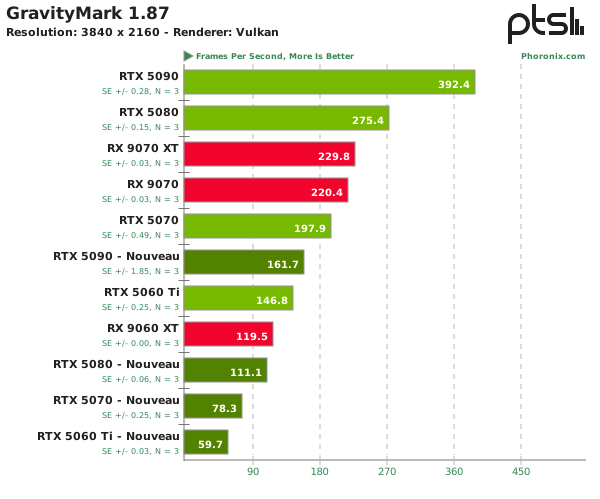
AMD continues to lead in traditional rasterized gaming. In titles without heavy ray tracing, RX 9000 GPUs often match or exceed RTX 50 equivalents at a lower cost.
Ray Tracing and AI Rendering
NVIDIA remains dominant in ray traced titles. DLSS 4 shows clear gains in image stability and frame pacing, especially at 4K. AMD’s FSR improves but still trails NVIDIA in AI assisted workloads.
Estimated Benchmark Averages at 4K Ultra
| GPU | Avg FPS Raster | Avg FPS Ray Tracing |
|---|---|---|
| RTX 5090 | 140 FPS | 110 FPS |
| RX 9900 XTX | 135 FPS | 85 FPS |
| RTX 5080 | 120 FPS | 95 FPS |
| RX 9900 XT | 115 FPS | 80 FPS |
Power Efficiency and Thermals
NVIDIA’s move to GDDR7 brings bandwidth improvements but at the cost of higher power draw at the top end. AMD slightly wins in performance per watt across mid tier models, especially in the RX 9700 XT and RX 9800 XT range.
For compact builds or users concerned with electricity costs, AMD holds a practical advantage.
Pricing Context and Market Reality
NVIDIA prices target enthusiasts willing to pay for cutting edge AI features. AMD aggressively undercuts NVIDIA at almost every tier.
For users gaming at 1440p or lower, AMD’s value proposition is stronger. For 4K gamers who prioritize ray tracing and future engine compatibility, NVIDIA still justifies its premium.
Best GPU by Gamer Type
Competitive Esports Players
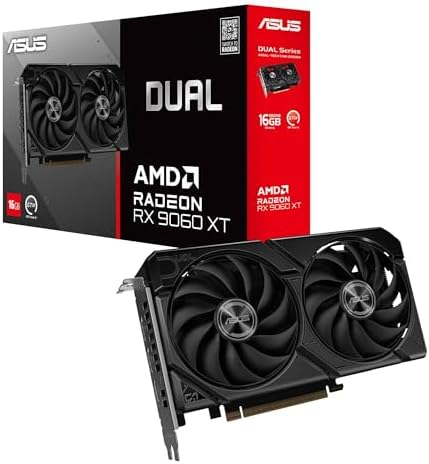
RX 9700 XT or RTX 5070 depending on DLSS usage preference
1440p High Refresh Gamers
RX 9800 XT offers the best value
4K Cinematic Gaming
RTX 5080 or RTX 5090
Content Creators and AI Workloads
RTX 50 Series is clearly superior


User Reviews and Ratings
RTX 5090
Rating: 4.8 out of 5
Users highlight exceptional 4K ray tracing performance and smooth DLSS scaling, with the only downside being power consumption.
RTX 5070
Rating: 4.6 out of 5
Praised for balancing performance and efficiency, especially for 1440p gaming.
RX 9900 XTX
Rating: 4.7 out of 5
Gamers appreciate its raw performance and lower price compared to NVIDIA’s flagship.
RX 9800 XT
Rating: 4.8 out of 5
Frequently mentioned as the best value GPU of 2025.
Frequently Asked Questions
Is the RTX 50 Series worth upgrading from RTX 40?
Only if you care about AI features, DLSS improvements, or ray tracing at 4K. Raster gains alone do not justify an upgrade for most users.
Does AMD still struggle with ray tracing?
AMD has improved significantly, but NVIDIA maintains a clear lead in ray traced performance and consistency.
Which GPU is better for longevity?
NVIDIA GPUs tend to age better due to software and engine level optimizations, especially in AAA titles.
Is 16 GB VRAM enough in 2025?
Yes for 1440p. For 4K, 20 GB or more is recommended.
Which brand offers better driver stability?
Both are stable in 2025. NVIDIA still leads in launch day optimizations, while AMD drivers have matured substantially.
Which Should You Buy?
If your priority is AI, ray tracing, and long term engine support, NVIDIA RTX 50 Series remains the premium choice.
If value, raster performance, and VRAM matter more, AMD RX 9000 Series delivers exceptional returns for the price.
Neither lineup is universally better. The right choice depends entirely on how you game and what you expect from your hardware.