The NVIDIA RTX 50 Series represents a new phase of GPU evolution in 2025. Instead of focusing only on raw power, NVIDIA is clearly betting on AI acceleration, efficiency, and long term relevance.
This article breaks down what is confirmed, what actually matters in real world usage, and which users should consider upgrading.
NVIDIA RTX 50 Series Models and Specifications
Below is a clear comparison of all confirmed RTX 50 Series models available in 2025, including pricing, target audience, and key technical specifications.
RTX 50 Series Comparison Table
| Model | Target User | VRAM | Memory Type | Architecture | Key Strength | Price Range |
|---|---|---|---|---|---|---|
| RTX 5090 | Enthusiasts and creators | 24 GB | GDDR7 | Blackwell | Maximum AI and ray tracing performance | $1,799 to $1,999 |
| RTX 5080 | High end gamers | 16 GB | GDDR7 | Blackwell | High performance with better efficiency | $1,099 to $1,299 |
| RTX 5070 Ti | Performance gamers | 16 GB | GDDR7 | Blackwell | Balanced power and efficiency | $799 to $899 |
| RTX 5070 | Mainstream gamers | 12 GB | GDDR7 | Blackwell | 1440p and entry level 4K gaming | $599 to $699 |
| RTX 5060 | Budget gamers | 8 GB | GDDR7 | Blackwell | Strong DLSS and low power usage | $399 to $449 |
This table makes it clear that VRAM capacity, AI performance, and price scaling are the main differentiators across the lineup.
What Really Matters in the RTX 50 Series
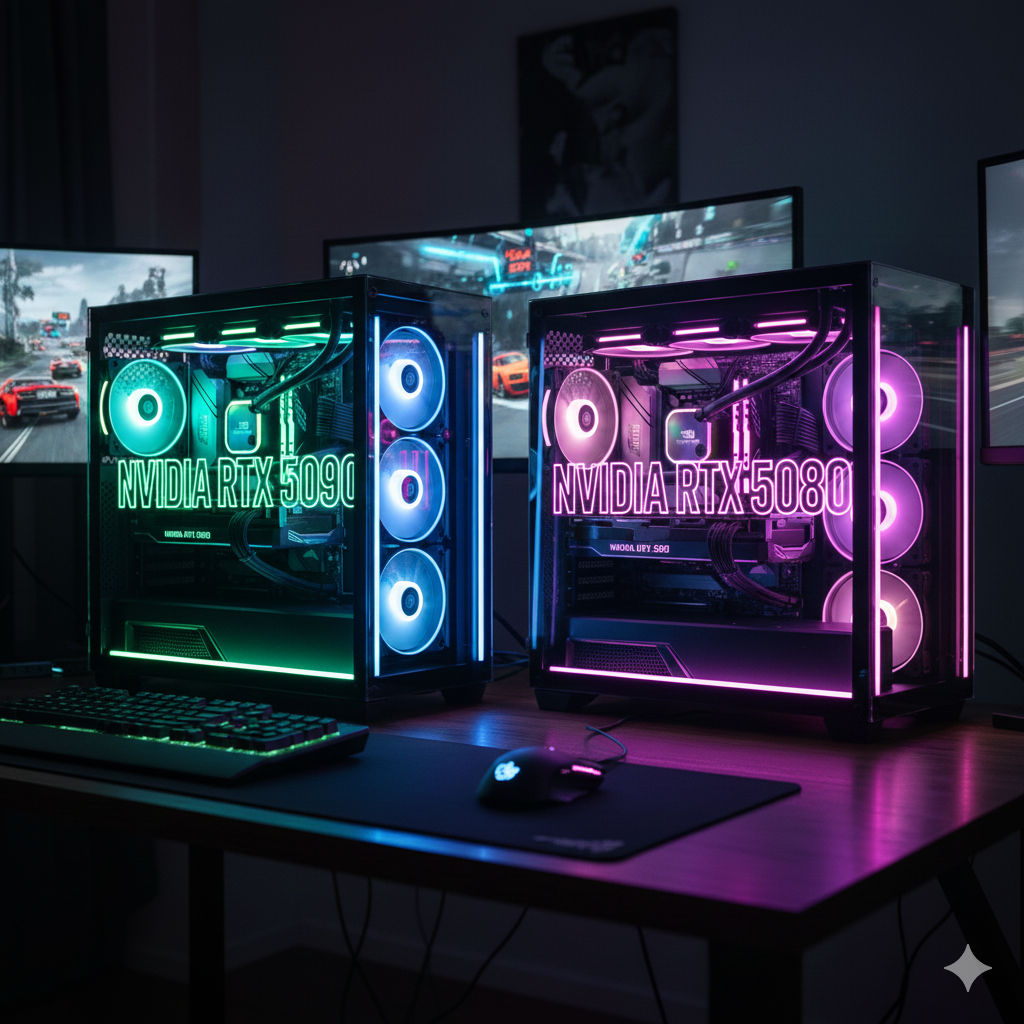
Looking beyond specifications, the RTX 50 Series introduces practical improvements that impact everyday gaming and creative workflows.
Key factors that matter most:
- GDDR7 memory delivers higher bandwidth with improved efficiency
- AI cores significantly enhance DLSS and frame stability
- Better ray tracing performance with lower power draw
- Stronger future compatibility with upcoming games
Performance gains scale more with AI usage than with brute force alone.
AI Performance and Real World Gaming
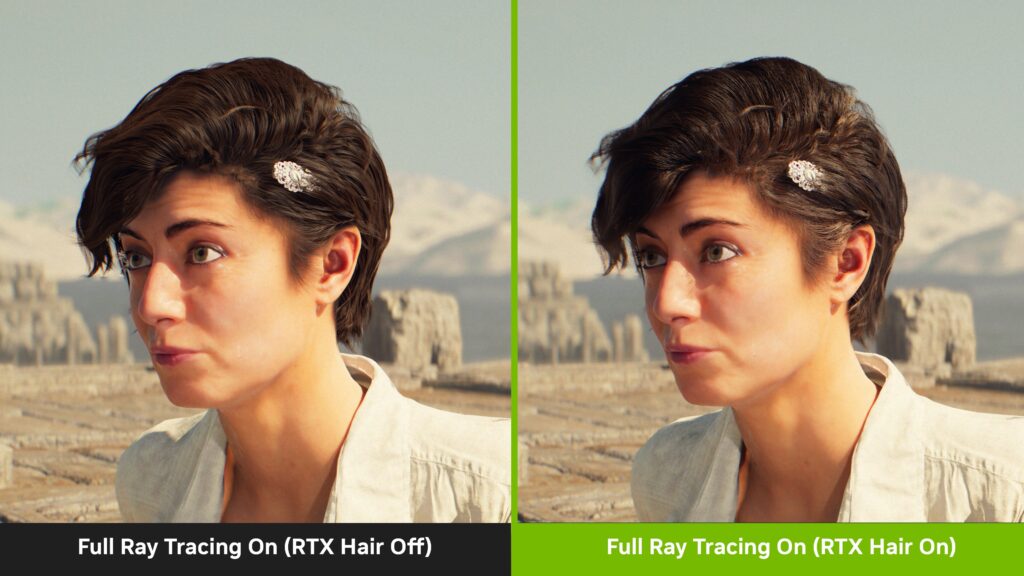
AI plays a central role in the RTX 50 Series. DLSS improvements allow higher frame rates without noticeable loss in image quality, making demanding games smoother and more stable.
This evolution closely mirrors what is happening in modern consoles. Platforms like the PlayStation 5 rely heavily on system level optimization to maintain performance over time.
If you want to understand how console optimization compares to PC hardware evolution, our detailed PlayStation 5 Review in 2025: Is It Still Worth Buying? explores how Sony continues to deliver consistent gaming experiences years after launch.
Who Should Upgrade to the RTX 50 Series
Upgrade makes sense if you:
- Use an RTX 20 or RTX 30 Series GPU
- Play AAA games at 4K or high refresh rates
- Work with video editing, 3D rendering, or AI tools
- Want long term hardware relevance
You can wait if:
- You already own an RTX 4080 or RTX 4090
- You mainly play competitive esports titles
- Your current GPU still meets your needs


User Ratings and Feedback
Overall Consumer Scores
- RTX 5090: ⭐⭐⭐⭐⭐ 4.9
- RTX 5080: ⭐⭐⭐⭐⭐ 4.8
- RTX 5070 Ti: ⭐⭐⭐⭐☆ 4.6
- RTX 5070: ⭐⭐⭐⭐☆ 4.5
- RTX 5060: ⭐⭐⭐⭐☆ 4.4
Users consistently highlight strong performance gains, improved efficiency, and better long term value compared to previous generations.

Frequently Asked Questions About NVIDIA RTX 50 Series
Is the RTX 50 Series worth upgrading to in 2025?
Yes, especially for users upgrading from RTX 20 or 30 Series. AI driven improvements make a clear difference in daily use.
Which RTX 50 Series GPU offers the best value?
RTX 5070 and RTX 5070 Ti deliver the best balance between price and performance.
Is the RTX 5090 necessary for gaming?
For most gamers, no. It is designed for enthusiasts and professional workloads.
Does the RTX 50 Series improve ray tracing?
Yes. Ray tracing performance improves significantly with better efficiency.
Will RTX 50 Series remain relevant long term?
Yes. GDDR7 memory and AI focused architecture are designed for long term support.



Final Verdict
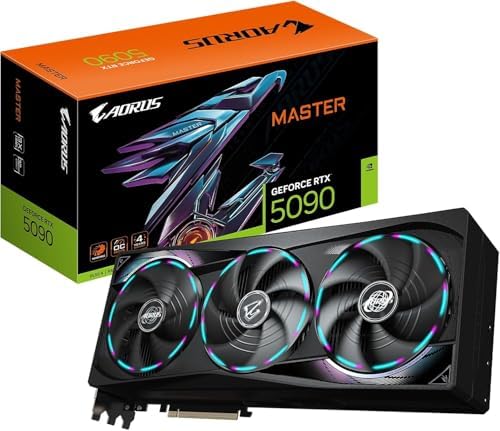
The NVIDIA RTX 50 Series in 2025 is defined by smart performance rather than raw numbers. AI acceleration, efficiency gains, and future ready features make this generation a solid upgrade for the right users.
Choosing the right model depends on how you actually use your PC, not on hype.
One comment