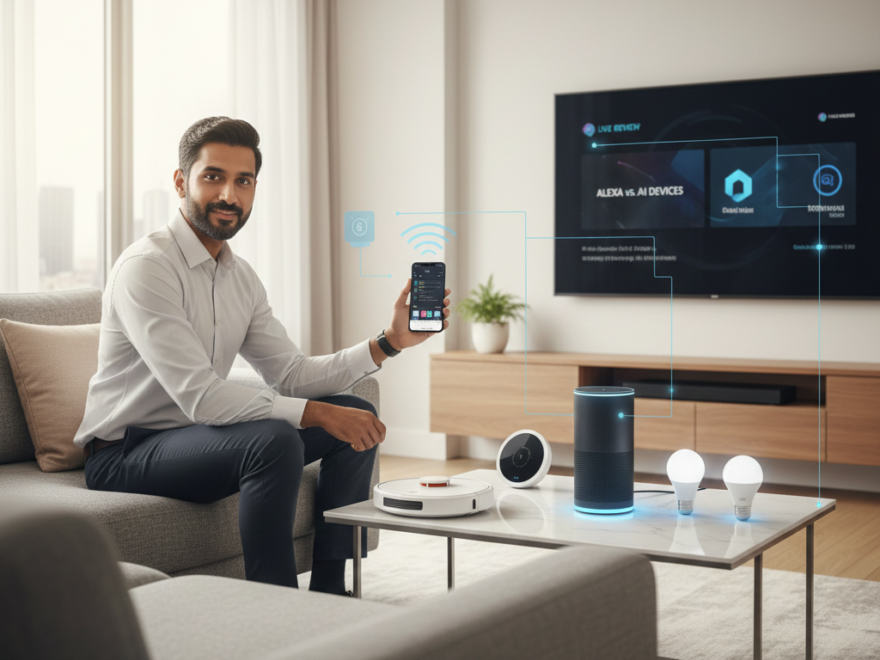
In 2026, artificial intelligence is no longer just inside apps or smartphones. It is now part of our homes, desks, and daily routines. On one side, we have Alexa, evolved into a powerful AI platform and smart home brain. On the other, physical AI devices without screens, designed to work quietly in the background.
But which approach actually delivers more value in real life? In this review, we compare Alexa as an AI platform with the new wave of screenless AI devices, focusing on practicality, automation, and everyday usefulness.
What Do We Mean by Physical AI Devices?
Physical AI devices are hardware-first AI products that minimize or completely remove screens. Instead of visual interfaces, they rely on voice, sensors, and automation.
Examples include:
- AI home robots and companions
- Screenless AI hubs
- Smart devices that act proactively
Their promise is simple: reduce friction and cognitive overload.
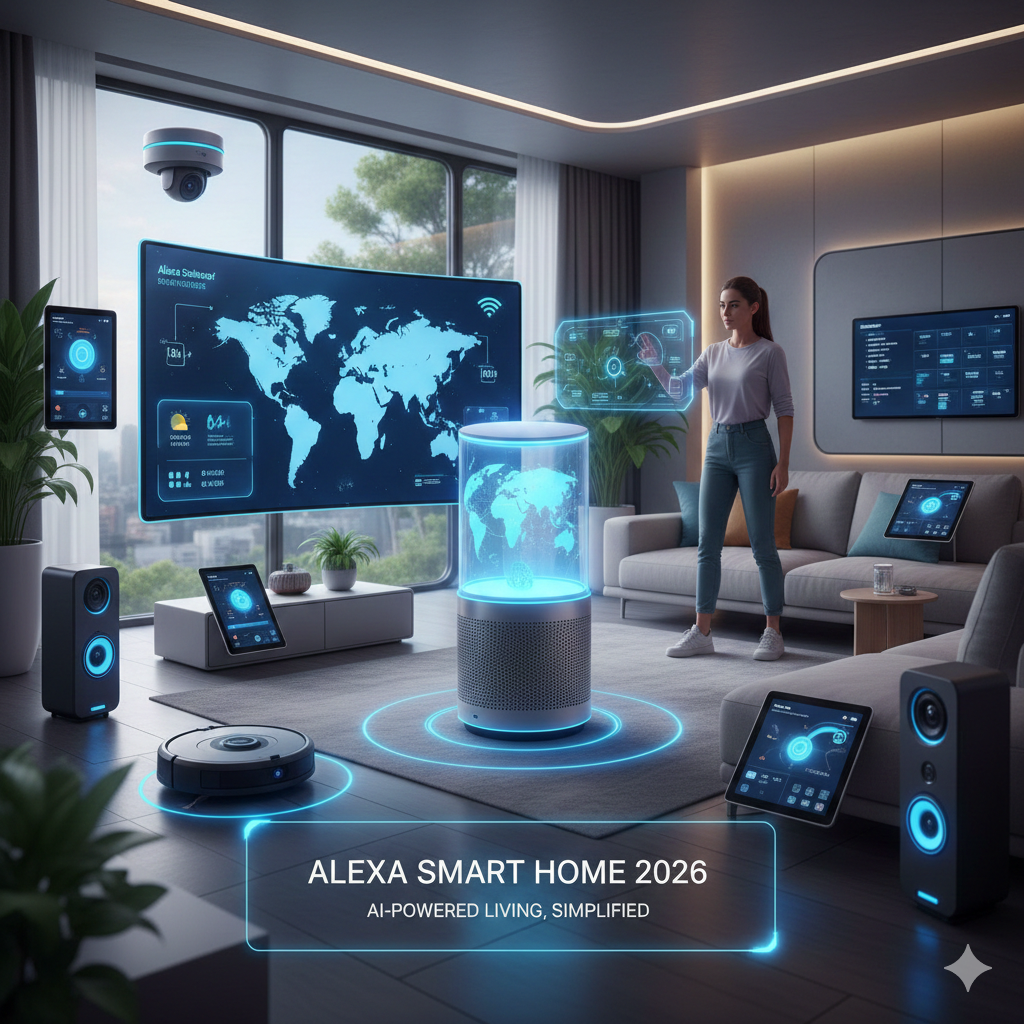
Alexa in 2026: From Voice Assistant to AI Platform
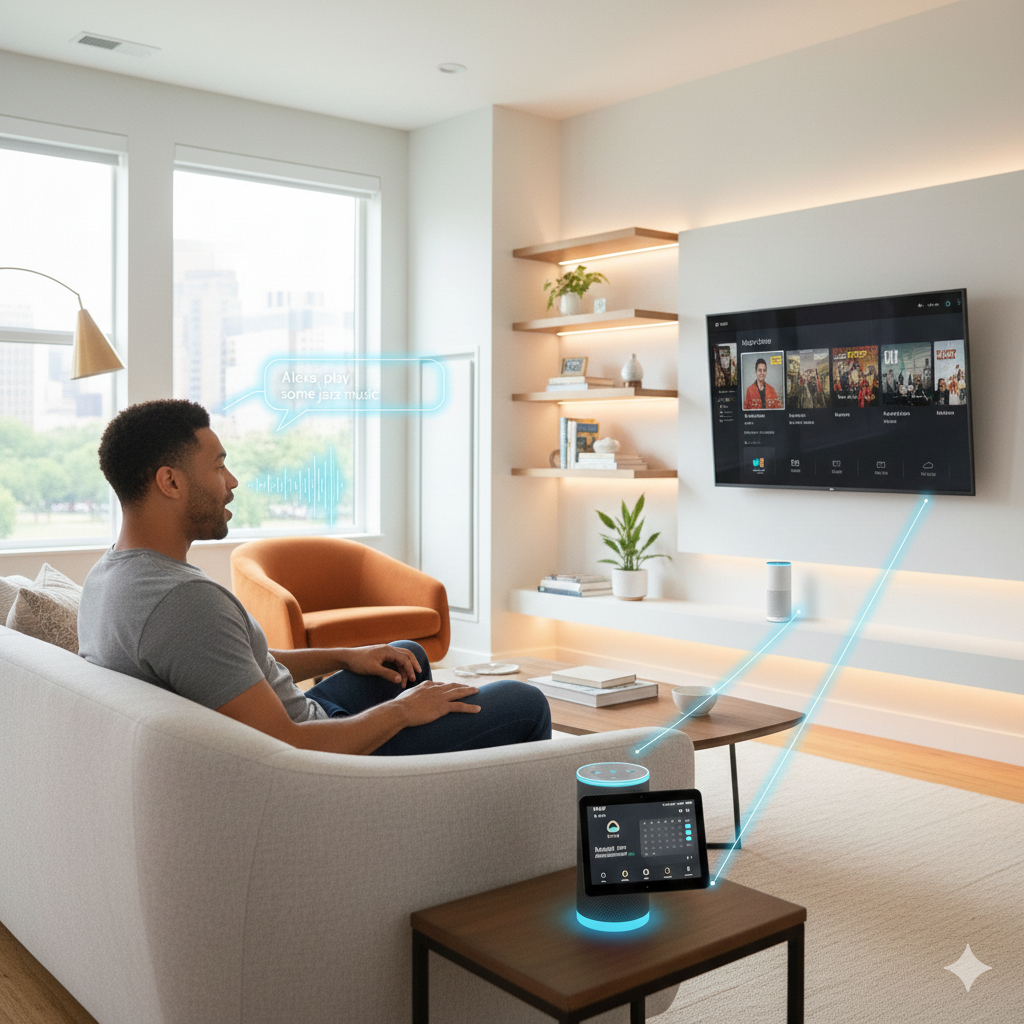
Alexa is no longer just a voice assistant that answers questions. In 2026, it functions as a central AI operating system for the home.
Key evolutions include:
- Advanced routines based on behavior patterns
- Context-aware automation
- Deeper device interoperability
- Voice-first control with minimal screen dependency
Alexa now acts as the brain that connects lighting, robots, desks, security, and productivity tools.
How Physical AI Devices Approach Intelligence
Physical AI devices focus on:
- Ambient intelligence
- Proactive actions instead of commands
- Reduced interaction effort
They aim to work without constant prompts, learning from your environment and habits.
However, most of them still rely on a central AI platform to reach full potential. This is where Alexa often becomes the backbone.
Discover Alexa-compatible smart home essentials on Amazon


Alexa as the Smart Home Brain
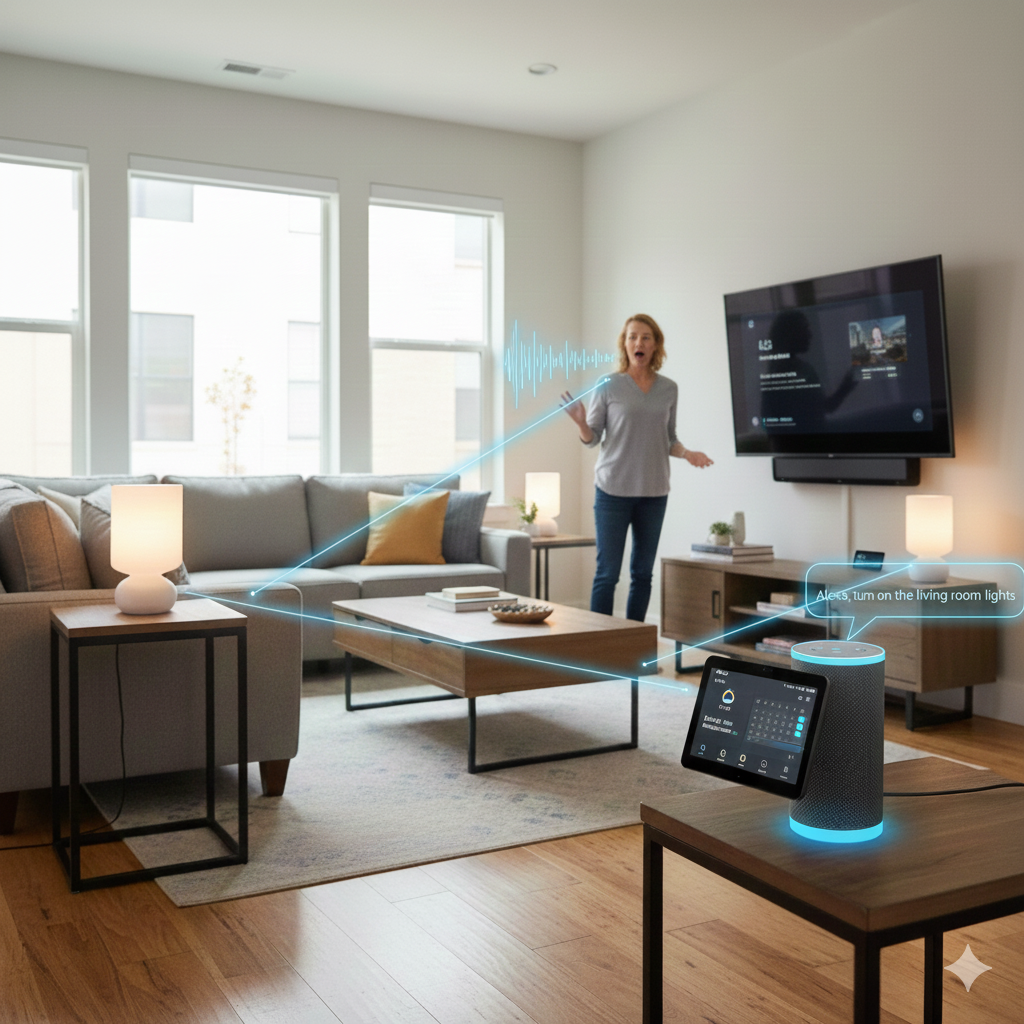
Alexa’s biggest advantage is orchestration. It connects and coordinates multiple AI-powered devices into one cohesive system.
Benefits include:
- One voice interface for dozens of devices
- Centralized automation rules
- Scalability across rooms and use cases
This becomes especially powerful when combined with home automation and productivity setups already discussed in AI Home Robots Review and AI Smart Desks Review.
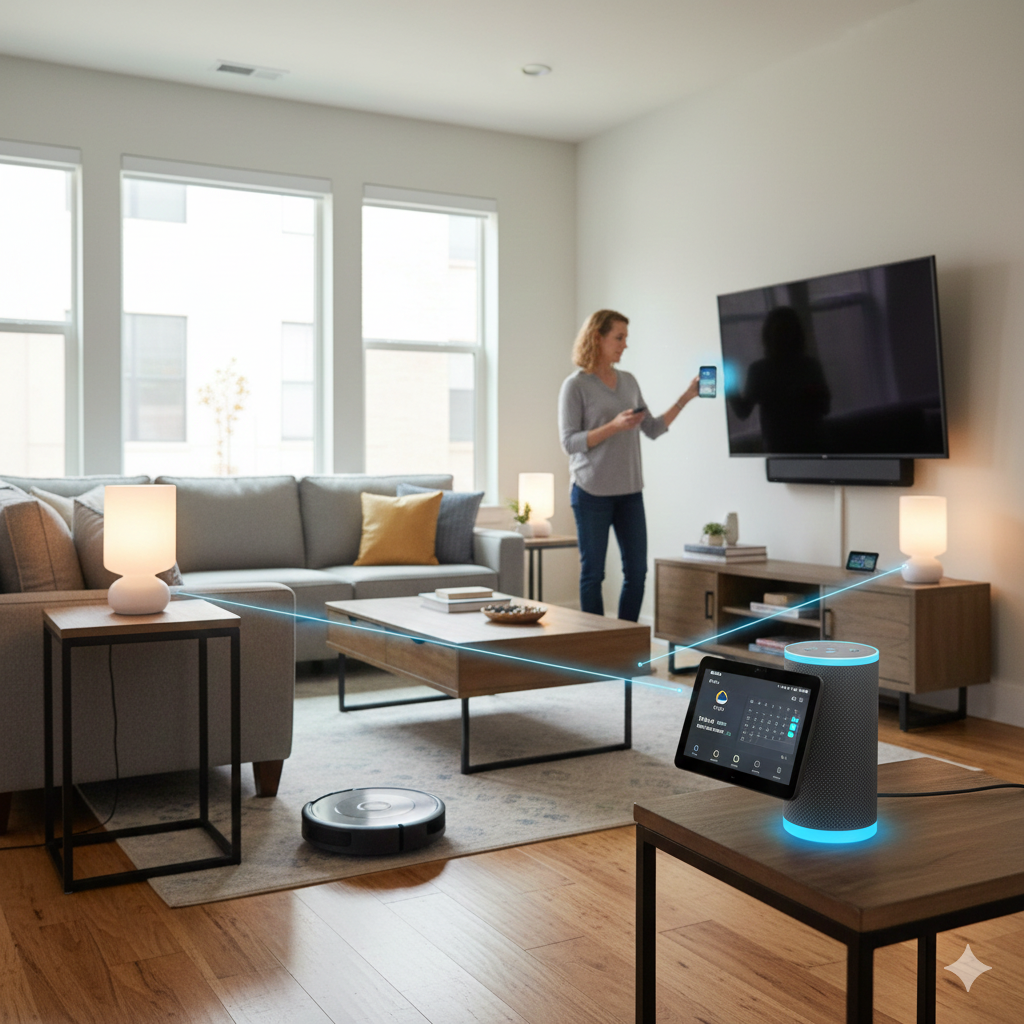
Voice vs Screenless AI: Real-Life Comparison
Alexa Strengths
- Mature ecosystem
- Reliable voice recognition
- Strong third-party integration
- Acts as a coordination layer
Physical AI Device Strengths
- Less intrusive
- Designed for specific tasks
- Ambient and proactive
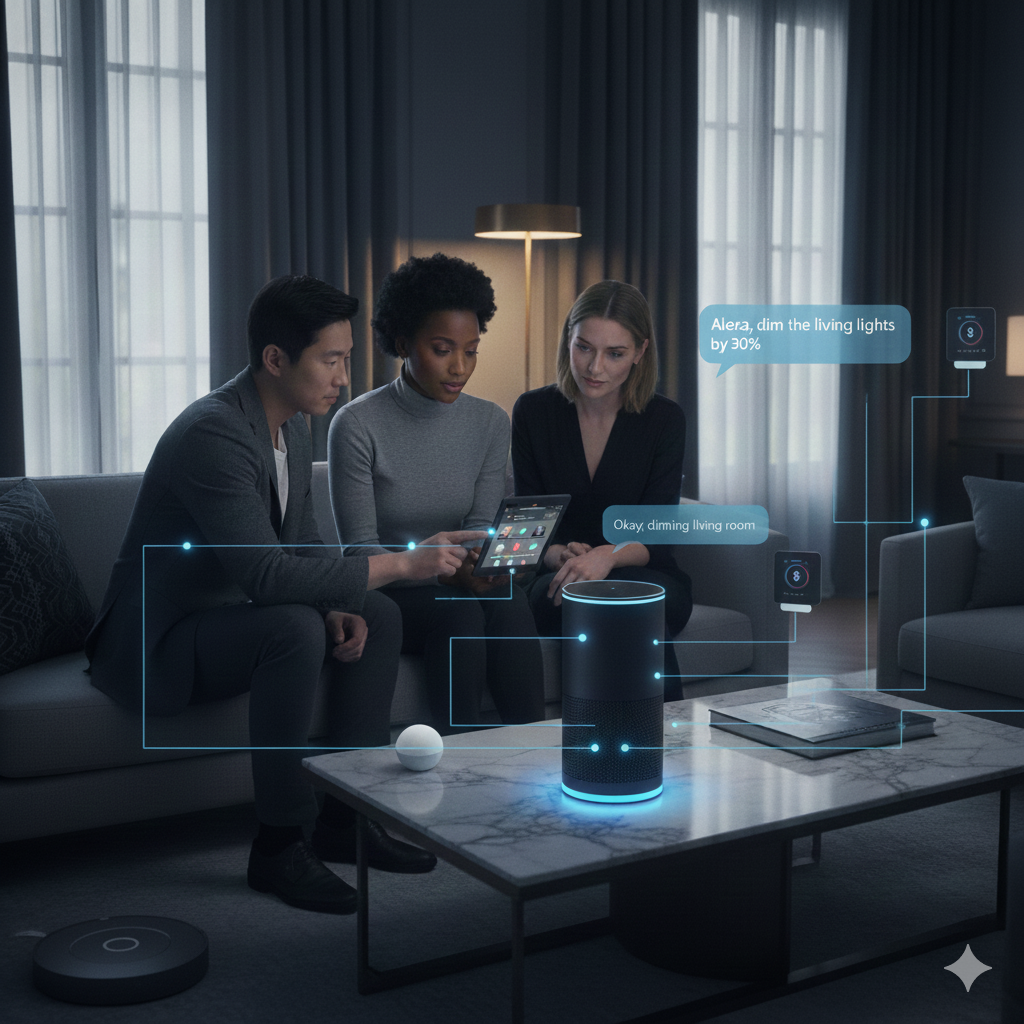
In real homes, the most effective setups combine both. Physical AI devices handle execution, while Alexa manages logic and communication.
Build a smarter home powered by Alexa


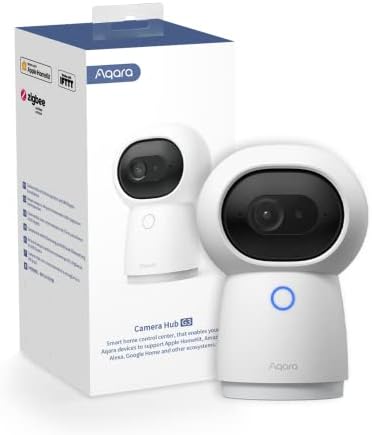
Practical Use Cases Where Alexa Wins
Alexa consistently outperforms standalone AI devices in:
- Multi-room automation
- Scheduling and routines
- Device coordination
- Voice-based control for accessibility
Screenless AI devices shine in isolated tasks, but Alexa excels in system-wide intelligence.
User Reviews and Ratings
Michael R. – ⭐ 9.4/10
Alexa ties everything together. My AI devices feel incomplete without it.
Sarah L. – ⭐ 9.0/10
Physical AI gadgets are cool, but Alexa makes them actually useful.
Daniel K. – ⭐ 8.8/10
I prefer less screens, and Alexa lets me do that with voice routines.
Emily T. – ⭐ 9.2/10
Once set up, Alexa feels invisible but incredibly powerful.
Lucas P. – ⭐ 8.6/10
Some AI devices are impressive, but Alexa is more reliable daily.
Olivia S. – ⭐ 9.1/10
The automation saves me time every day.
Nathan W. – ⭐ 8.9/10
Alexa is the glue that connects my smart home.
Frequently Asked Questions
Is Alexa still relevant in 2026?
Yes. Alexa has evolved into a central AI platform rather than a simple assistant.
Do physical AI devices replace Alexa?
Not fully. Most benefit from integration with a central AI like Alexa.
Is Alexa dependent on screens?
No. Most features work voice-first, making it compatible with screenless setups.
Can Alexa improve productivity?
Yes, especially when integrated with smart desks and automation routines.
Is Alexa future-proof?
Amazon continues expanding Alexa’s ecosystem, making it one of the most adaptable AI platforms available.
See the best Alexa smart home bundles available now


Final Verdict: Who Wins in 2026?
Physical AI devices bring innovation and reduce screen dependency, but Alexa wins as the AI brain. The future is not about choosing one or the other. It is about using Alexa as the platform that allows physical AI devices to work together intelligently.
In 2026, the smartest homes use screenless AI for execution and Alexa for coordination.
3 comments