
AI Home Energy Orchestrators are quickly becoming one of the most important upgrades for smart homes in the United States. In 2026, these systems go far beyond simple energy monitoring. They actively decide when, where, and how your home consumes electricity.
In this complete review, you will learn how AI energy orchestrators work, which premium models are worth buying in the US, how much they cost, and whether they really save money.
What Is an AI Home Energy Orchestrator?
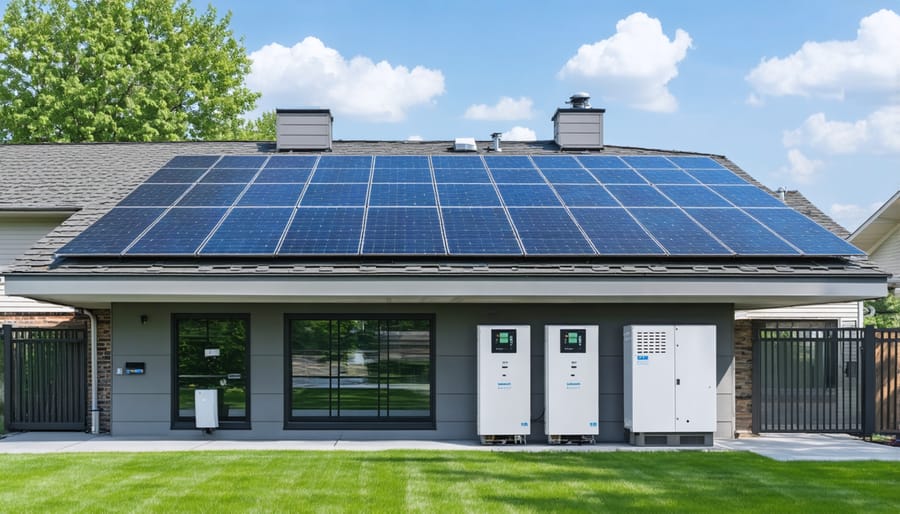
An AI Home Energy Orchestrator is a centralized system that uses artificial intelligence to manage energy consumption across your home.
Instead of only showing usage data, it actively controls devices such as:
- Solar panels and inverters
- Home battery systems
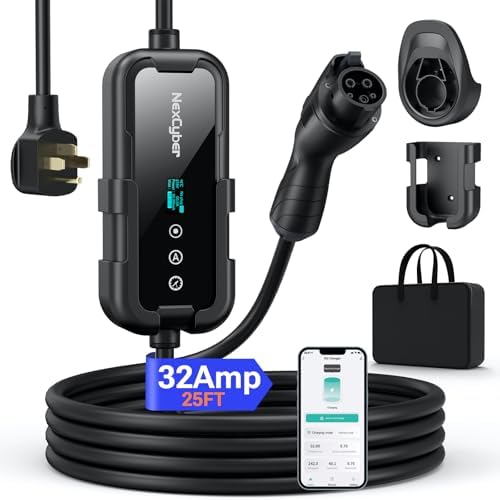
- EV chargers
- Smart HVAC systems
- Major appliances
- Utility grid interaction
The goal is simple: reduce energy costs, increase efficiency, and optimize power usage automatically.
How AI Energy Orchestration Works in 2026
Modern systems use multiple data sources in real time:
- Utility pricing signals
- Solar production forecasts
- Battery charge levels
- Weather predictions
- Household usage patterns
- Grid demand and peak alerts
The AI engine then makes decisions automatically, such as delaying appliance use, charging batteries at off-peak hours, or exporting energy back to the grid.
Key Benefits for American Homes
Lower Energy Bills
AI orchestration can reduce monthly electricity costs by 20 to 40 percent depending on usage and local utility pricing.
Grid Independence
Homes with solar and batteries gain more autonomy during outages or peak pricing periods.
Fully Automated Optimization
No manual scheduling. The system learns and adapts over time.
EV Charging Efficiency
Smart charging avoids peak rates and maximizes solar usage.
Core Technical Specifications
| Feature | Typical Range in 2026 |
|---|---|
| AI Learning Engine | Predictive and adaptive ML |
| Supported Power Sources | Grid solar battery generator |
| Battery Compatibility | Tesla Powerwall Enphase EcoFlow Bluetti |
| EV Integration | Level 2 smart chargers |
| Connectivity | Wi Fi Ethernet Zigbee Z Wave |
| App Control | iOS Android Web |
| Utility Integration | Time of Use and demand response |
| Data Security | Encrypted cloud and local processing |
Top AI Home Energy Orchestrators in the US 2026
| Brand | Max Load | Solar Support | Battery Support | Typical Price |
|---|---|---|---|---|
| Span Drive + AI | 200A | Yes | Yes | 3500 to 4500 USD |
| Enphase IQ Energy | 200A | Yes | Yes | 3000 to 4200 USD |
| Schneider Wiser Energy | 200A | Yes | Yes | 2800 to 3900 USD |
| Lumin Smart Panel | 200A | Limited | Yes | 2200 to 3200 USD |
| Savant Power AI | 200A | Yes | Yes | 5000 plus |


New Developments and Projects for 2026
AI Predictive Grid Interaction
Systems now anticipate grid stress and adjust usage hours before price spikes occur.
Solar Forecast Optimization
AI uses hyperlocal weather models to plan energy usage days in advance.
Insurance and Utility Incentives
Some US utilities and insurers now offer discounts for AI energy-managed homes.
Integration with Home Backup Power
This connects directly with systems discussed in Portable Power Stations Review: Are Battery Generators Replacing Gas Generators in American Homes?, especially for blackout preparedness.
Energy Savings and ROI
Typical US household results after installation:
- Annual savings: 800 to 1800 USD
- ROI timeframe: 2 to 4 years
- Increased home resale value
- Lower peak demand charges
Homes with solar and EVs benefit the most.
User Reviews and Ratings
Homeowners
Rating: 4.7 out of 5
Users highlight major reductions in monthly bills and hands off operation.
EV Owners
Rating: 4.8 out of 5
Smart charging optimization is one of the most praised features.
Solar Users
Rating: 4.6 out of 5
AI driven solar usage beats manual scheduling consistently.
Common Drawbacks
- High upfront cost
- Professional installation required
- Not all utilities support full automation yet
- Best benefits require solar or EV ownership
Frequently Asked Questions
Do AI Home Energy Orchestrators really save money?
Yes. Most US households see noticeable savings within the first year, especially with time of use pricing.
Can they work without solar panels?
Yes, but benefits are smaller. Solar and batteries unlock full optimization.
Are they compatible with older homes?
Most systems work with standard US electrical panels, but upgrades may be needed.
Do they work during power outages?
With batteries or backup systems, yes. Without them, orchestration resumes once grid power returns.
Is professional installation required?
Yes. These systems connect directly to your electrical infrastructure.
Who Should Buy an AI Energy Orchestrator in 2026?
This technology is ideal for:
- Homeowners with solar panels
- EV owners
- Homes in high electricity cost states
- Tech forward households
- Anyone planning long term energy independence
Final Verdict
AI Home Energy Orchestrators are no longer experimental tech. In 2026, they are practical, reliable, and increasingly essential for energy efficient American homes.
For households serious about lowering costs, increasing resilience, and preparing for a smarter energy future, this is one of the most impactful upgrades available.
One comment