AI dash cams are no longer simple car cameras. In 2026, they combine computer vision, real time alerts, cloud connectivity, and insurance focused features that directly impact safety and costs. This review explains how AI dash cams work, what is new for 2026, and which models are actually worth buying in the United States.
What Is an AI Dash Cam and How Does It Work?
AI dash cams use onboard processors and machine learning models to analyze video in real time. Instead of only recording footage, they actively detect events and driver behavior.
Key AI features include:
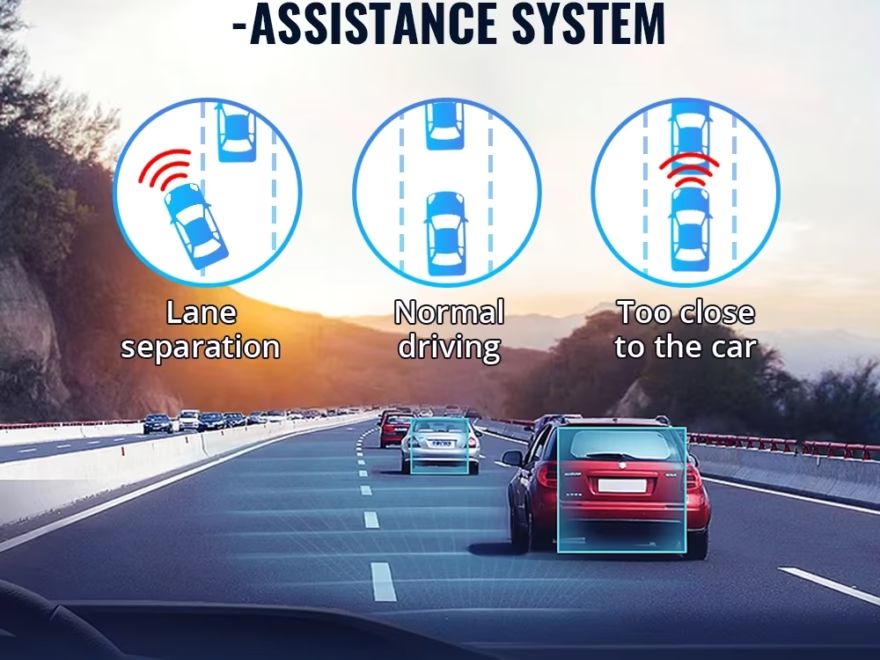
- Forward collision warnings
- Lane departure alerts
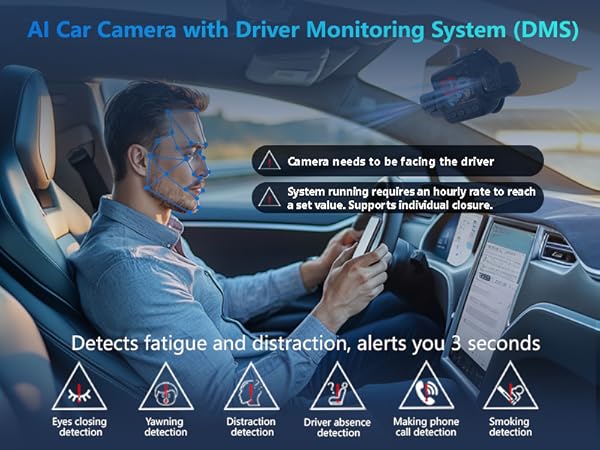
- Driver distraction and fatigue detection
- Automatic incident detection and clip locking
- License plate and object recognition
- Cloud based video storage and sharing
These features transform dash cams into active safety tools rather than passive recorders.
What’s New for AI Dash Cams in 2026?
In 2026, AI dash cams have evolved in several important ways:
- More powerful AI chips with lower power consumption
- Better night vision using larger sensors and AI noise reduction
- Native 5G and LTE connectivity in premium models
- Direct integration with insurance telematics platforms
- Improved parking mode with motion and impact prediction
- Expanded coverage with multi camera systems
Manufacturers are now focusing on reliability, privacy controls, and long term cloud support rather than just video resolution.
Complete Technical Specifications Explained
Core Hardware Specifications
| Specification | Typical Range in 2026 |
|---|---|
| Video Resolution | 2K QHD to 4K UHD |
| Frame Rate | 30 to 60 fps |
| Sensor Type | Sony STARVIS 2 or equivalent |
| Field of View | 140° to 170° |
| AI Processor | Dedicated NPU or SoC with AI cores |
| Storage | microSD up to 512 GB |
| Connectivity | Wi Fi, Bluetooth, LTE or 5G |
| GPS | Integrated GPS module |
| Power | 12V car adapter or hardwire kit |
Advanced AI and Software Features
| Feature | Description |
|---|---|
| Collision Detection | Predictive alerts before impact |
| Lane Assist | Visual and audio departure warnings |
| Driver Monitoring | Head position and eye tracking |
| Parking Surveillance | Motion and impact detection |
| Cloud Backup | Encrypted cloud video storage |
| App Control | iOS and Android apps |
Best AI Dash Cams to Buy in the US in 2026
Premium Model Comparison Table
| Model | Resolution | Cameras | AI Features | Connectivity | Price Range |
|---|---|---|---|---|---|
| Nextbase iQ | 4K | Front + Cabin + Rear | Full AI suite | LTE + Wi Fi | $699 to $799 |
| Garmin Dash Cam Live | 1440p | Front | Collision + alerts | LTE | $399 to $499 |
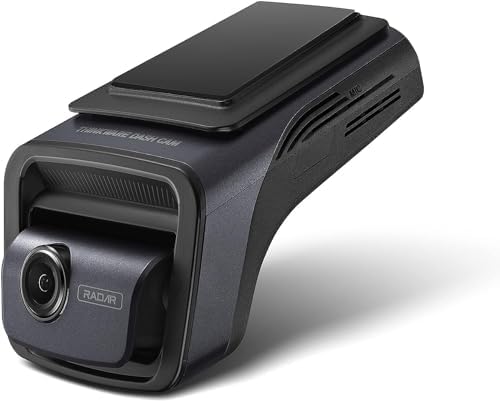
| Thinkware U3000 | 4K | Front + Rear | Advanced driver assist | Wi Fi + LTE | $599 to $699 |
| Vantrue N5 | 4K | Quad cam | Interior and exterior AI | Wi Fi | $449 to $549 |
| BlackVue DR970X | 4K | Front + Rear | Parking AI | LTE optional | $499 to $649 |


Real World Performance and Reliability
In daily use, AI dash cams excel in three main scenarios:
- Urban driving with heavy traffic where collision alerts reduce reaction time
- Long highway trips where fatigue detection improves safety
- Parking protection in high risk areas
Video quality in 2026 models is consistently sharp, especially at night. AI enhanced HDR significantly improves plate recognition and detail clarity.
Are AI Dash Cams Worth It for Insurance?
Many US insurers now offer incentives for AI dash cam users, including:
- Faster claim processing
- Reduced fraud disputes
- Potential premium discounts based on driving behavior
- Clear liability evidence after accidents
Some insurers allow direct footage upload from approved dash cam brands. This makes AI dash cams particularly valuable for rideshare drivers, delivery drivers, and commuters.
This trend mirrors what we are seeing in home energy and backup systems where smart monitoring improves reliability and savings, a topic explored in Portable Power Stations Review: Are Battery Generators Replacing Gas Generators in American Homes?

User Reviews and Ratings
Based on aggregated consumer feedback across US retail platforms:
| Model | Average Rating | User Feedback Summary |
|---|---|---|
| Nextbase iQ | 4.7 out of 5 | Excellent AI accuracy and cloud features |
| Garmin Dash Cam Live | 4.5 out of 5 | Reliable LTE connectivity and app |
| Thinkware U3000 | 4.6 out of 5 | Strong parking mode and build quality |
| Vantrue N5 | 4.4 out of 5 | Best interior coverage for families |
| BlackVue DR970X | 4.5 out of 5 | Premium video quality and durability |
Users consistently praise ease of use, accurate alerts, and peace of mind.
Common Questions About AI Dash Cams
Do AI dash cams record all the time?
Yes, but smart event detection prioritizes important clips and locks them automatically.
Are AI dash cams legal in the US?
Dash cams are legal in most states. Placement rules vary, so check local windshield obstruction laws.
Do they drain the car battery?
When hardwired properly, they include low voltage cutoff protection to prevent battery drain.
Is cloud storage required?
No, but cloud plans unlock remote access, alerts, and insurance integrations.
Can AI dash cams really prevent accidents?
They cannot prevent all accidents, but early warnings significantly reduce reaction time and risk.
Who Should Buy an AI Dash Cam in 2026?
AI dash cams are especially recommended for:
- Daily commuters
- Families with teen drivers
- Rideshare and delivery drivers
- Anyone concerned about insurance claims
- Drivers in high traffic urban areas
If safety, accountability, and long term cost savings matter to you, AI dash cams are a smart upgrade in 2026.
Final Verdict
AI dash cams in 2026 are absolutely worth it. They go beyond recording accidents and actively help drivers stay safer while simplifying insurance processes. Prices have stabilized, AI accuracy has improved, and the technology is now mature enough for everyday drivers.
If you want smarter protection on the road, upgrading to an AI dash cam is a practical and future ready decision.
One comment