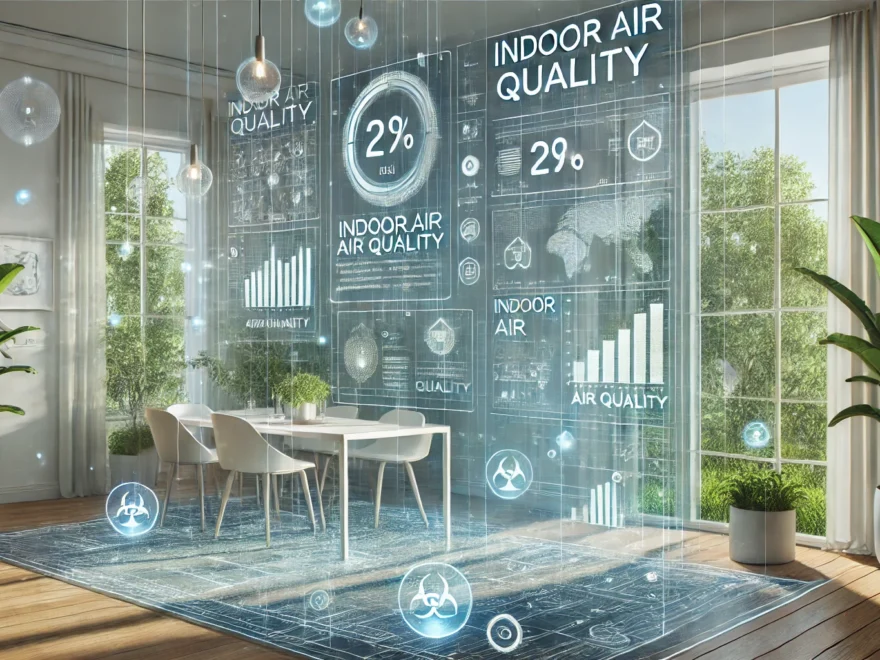
How Smart Environmental Sensors Are Changing Home Comfort and Safety
AI ambient sensing devices are transforming how we monitor and respond to our indoor environments. In 2026, these systems go far beyond simple temperature or humidity readouts. They use artificial intelligence to detect patterns, predict problems, and automate responses that improve health, comfort, and safety in American homes.
This review explains how AI ambient sensing technology works, showcases the top premium systems available in the United States, and breaks down their technical specifications, prices, and real world performance.
What Is AI Ambient Sensing?
AI ambient sensing refers to systems that use multiple environmental sensors combined with machine learning to understand and respond to indoor conditions. Instead of only displaying numbers, modern systems can:
- Detect air quality issues like VOCs, PM2.5, CO2
- Predict humidity and mold risk
- Trigger HVAC or air purifier actions automatically
- Provide personalized comfort scores
- Integrate with other smart home devices
These capabilities make them far more proactive and useful than basic environmental monitors.
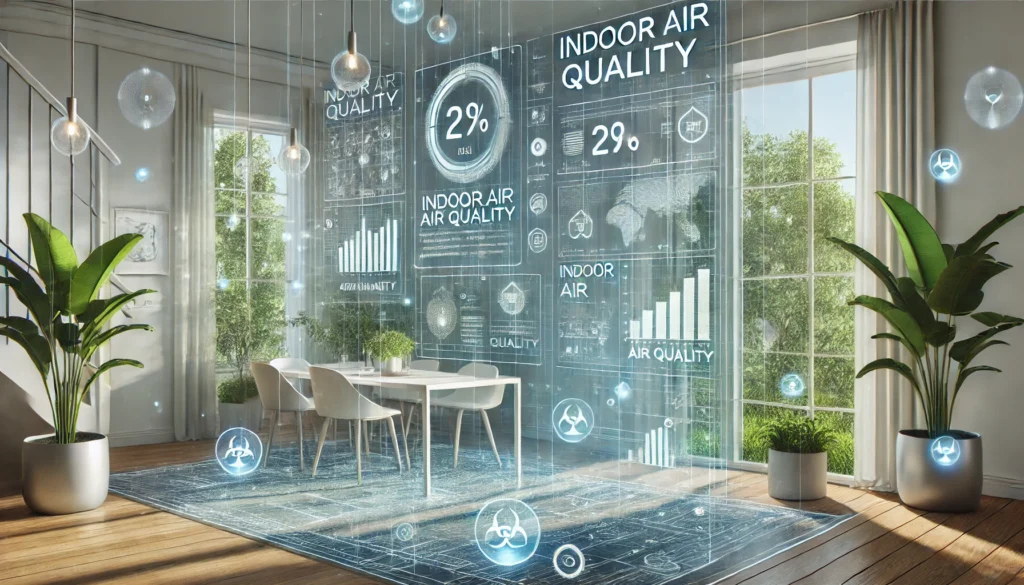
What Is New in 2026 Ambient Sensing Technology?
Ambient sensors in 2026 are smarter and more integrated than ever. Key advancements include:
- Multi sensor fusion with AI correlation
- Real time predictive alerts for health and safety risks
- Cloud based pattern learning
- Integration with smart HVAC and air purifiers
- Voice assistant compatibility and routines
These features not only show data, they act on it, improving daily life without user intervention.
Technical Specifications Explained
Standard Sensor Capabilities
| Sensor Type | Typical Range |
|---|---|
| Temperature | -10 to 50 °C |
| Humidity | 0 to 100 percent |
| PM2.5 | 0 to 500 µg/m3 |
| VOC | Low to high |
| CO2 | 400 to 5000 ppm |
| Noise Level | 30 to 80 dB (integrated mic) |
| Connectivity | Wi Fi Bluetooth Zigbee |
| AI Features | Pattern recognition and automation |
These sensors provide comprehensive environmental awareness that apps and automation platforms can act on.
Top AI Ambient Sensing Devices in the US 2026
Awair Omni 2
| Specification | Detail |
|---|---|
| Sensors | PM2.5 VOC CO2 Temp Humidity |
| AI | Predictive alerts and automation |
| Connectivity | Wi Fi, Bluetooth |
| App | iOS Android |
| Price Range | 299 to 359 USD |
| Best For | Whole home air quality automation |
Netatmo Healthy Home Coach Pro
| Specification | Detail |
|---|---|
| Sensors | CO2 VOC Temp Humidity Noise |
| AI | Trend analysis and wellness scores |
| Connectivity | Wi Fi |
| App | iOS Android |
| Price Range | 229 to 279 USD |
| Best For | Comprehensive home comfort tracking |
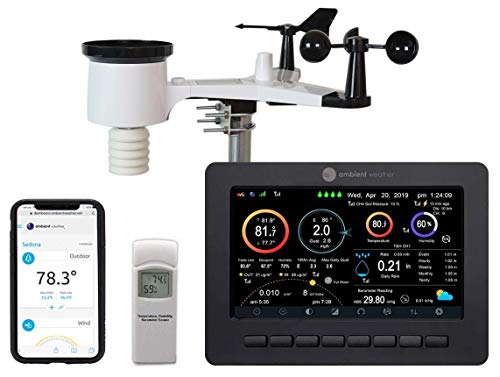
- Allows you to monitor your home and backyard weather conditions with TFT color display
- Wireless all-in-one integrated sensor array measures wind speed/direction, temperature, humidity, rainfall, UV and solar…
- Supports both imperial and metric units of measure with calibration available
Eve Room 2
| Specification | Detail |
|---|---|
| Sensors | Temp Humidity VOC |
| AI | Usage pattern learning |
| Connectivity | Bluetooth HomeKit |
| App | iOS |
| Price Range | 99 to 149 USD |
| Best For | Apple ecosystem users |
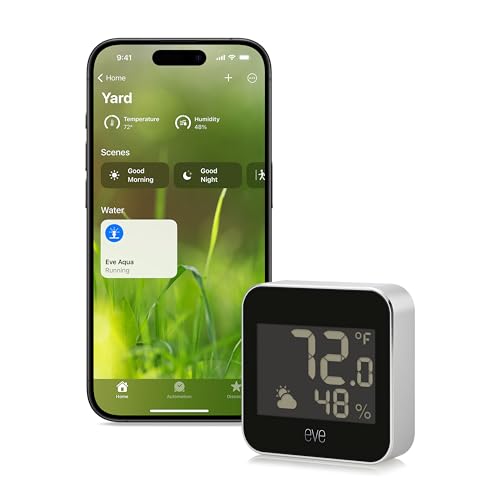
- Ask Siri for the temperature and humidity level right on your doorstep.
- Outdoor temperature, humidity and weather trend at a glance.
- Matter-enabled to connect it to additional platforms letting the whole family access your home easily and securely – no …
Honeywell Home T9 Smart Sensor
| Specification | Detail |
|---|---|
| Sensors | Temp Humidity Occupancy |
| AI | Room prioritization automation |
| Connectivity | Wi Fi |
| App | iOS Android |
| Price Range | 149 to 199 USD |
| Best For | Zoned climate control |

- ENERGY STAR CERTIFIED. See your energy use in the Monthly Energy Report, and help save even more with a schedule that ad…
- SAVE ENERGY AND GET REWARDED by checking with your energy provider about available energy savings rebates to save on you…
- AUTO HOME AND AWAY MODE. Adjust your thermostat from anywhere with your mobile device, or let your home automatically re…
Comparing Premium Models 2026
| Model | Sensors | AI Integration | App Support | Price |
|---|---|---|---|---|
| Awair Omni 2 | PM2.5 VOC CO2 Temp Humidity | Predictive | iOS Android | 299 to 359 USD |
| Netatmo Pro | CO2 VOC Temp Humidity Noise | Trend scoring | iOS Android | 229 to 279 USD |
| Eve Room 2 | Temp Humidity VOC | Learning patterns | iOS only | 99 to 149 USD |
| Honeywell T9 | Temp Humidity Occupancy | Zoning automation | iOS Android | 149 to 199 USD |
Real World Benefits of AI Ambient Sensing
AI ambient sensing can help with:
- Reducing allergy triggers by alerting poor air quality
- Preventing mold growth through humidity prediction
- Saving energy by optimizing HVAC usage
- Improving sleep environment control
- Creating healthy automated routines
For insights on how sensors improve sleep environments, also check out Smart Sleep Trackers Without Screens Review 2026 which explores related tech trends in home health monitoring.
Energy and Cost Considerations
Ambient sensing systems can reduce energy costs by:
- Automating HVAC based on real data
- Integrating with smart thermostats
- Avoiding unnecessary heating or cooling
Typical US household savings can vary, but many users report lower utility bills within the first year of installation.
FAQs About AI Ambient Sensing Devices
Does AI ambient sensing require cloud access?
Most advanced features use cloud analytics, but baseline sensing works locally.
Are they hard to install?
No. Most units plug in and connect via a mobile app.
Do ambient sensors work with air purifiers?
Yes. Many integrate with smart purification systems for automated air cleaning.
Can these devices detect harmful air?
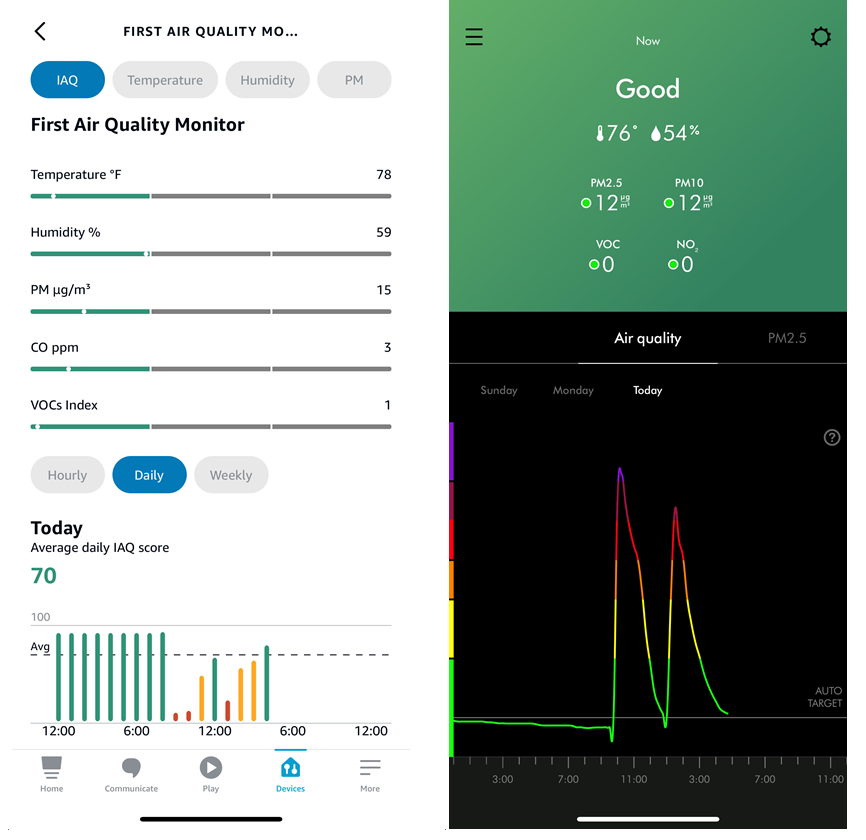
They detect indicators such as VOC levels and PM2.5, which correlate with poor air quality.
Are they worth it for small apartments?
Yes. Even smaller spaces benefit from real time environmental insights.
Are AI Ambient Sensing Devices Worth It in 2026?
Yes. In 2026, AI ambient sensing devices provide practical value in homes that care about comfort, health, and energy efficiency.
They are particularly valuable in:
- Homes with allergy sufferers
- Properties with multiple climate zones
- Families seeking automated home routines
- Energy conscious households
These systems bring environmental awareness and proactive automation to daily life without complexity.