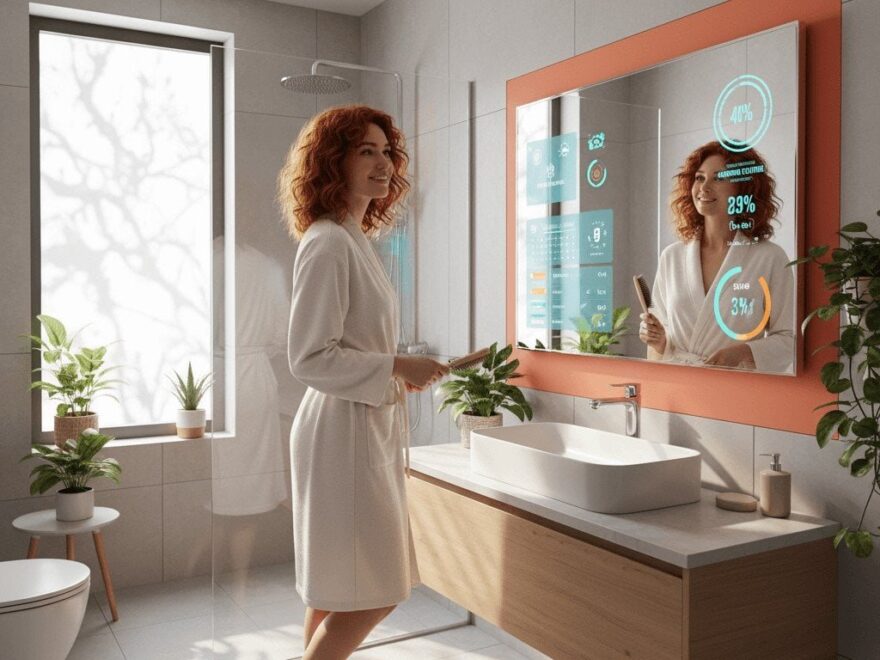
AI Smart Mirrors are no longer futuristic concepts. In 2026, they are becoming practical tools for health tracking, beauty analysis, fitness guidance, and smart home control.
But are AI powered smart mirrors really worth the investment, or are they just expensive gadgets?
In this in depth review, you will discover how AI Smart Mirrors work, their technical specifications, real use cases, updated 2026 innovations, and how the top premium models in the United States compare in price and features.
What Is an AI Smart Mirror?
An AI Smart Mirror is a connected mirror equipped with sensors, cameras, displays, and artificial intelligence software. It analyzes your body, face, posture, and environment while displaying real time insights directly on the mirror surface.
Unlike traditional smart mirrors, 2026 models integrate advanced AI models, biometric sensors, and health platforms.
Common use cases include:
- Skin analysis and beauty recommendations
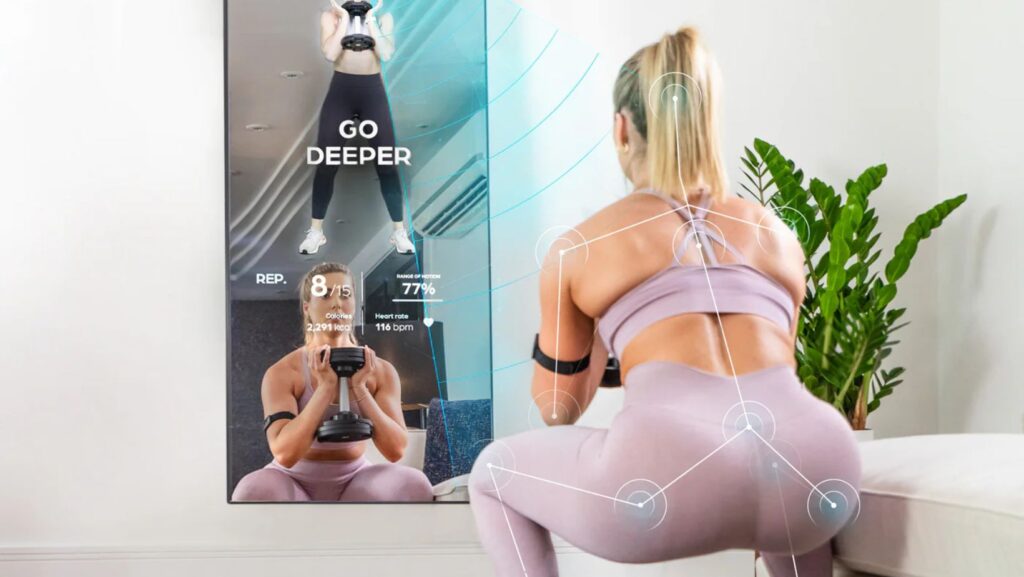
- Fitness posture correction and guided workouts
- Health monitoring and wellness insights
- Smart home dashboard and voice control
- Personalized daily routines and alerts
Key AI Smart Mirror Specifications in 2026
Core Technical Specifications
| Feature | Typical Specification in 2026 |
|---|---|
| Display Type | Embedded LCD or OLED behind one way mirror |
| Screen Size | 21.5 to 43 inches |
| Resolution | Full HD to 4K |
| Camera | 1080p or 4K with depth sensing |
| AI Processing | On device AI + cloud based models |
| Connectivity | Wi Fi 6, Bluetooth 5.3 |
| Voice Assistant | Alexa, Google Assistant, proprietary AI |
| Sensors | RGB camera, IR camera, ambient light, temperature |
| Power Consumption | 60W to 180W |
| Mounting | Wall mounted or recessed |
New AI Smart Mirror Innovations for 2026
AI Smart Mirrors in 2026 are significantly more advanced than previous generations.
Key innovations include:
- On device AI processing for privacy focused users
- Integration with wearable health platforms
- Skin aging prediction using computer vision
- Posture and gait analysis using depth cameras
- Energy efficient displays with adaptive brightness
- Matter protocol support for smart home ecosystems
Many brands are now positioning smart mirrors as health hubs rather than beauty accessories.

Best AI Smart Mirror Brands in the United States 2026
Premium AI Smart Mirror Comparison Table
| Brand | Screen Size | Key Focus | Power | Price Range |
|---|---|---|---|---|
| Mirror by Lululemon | 43 inch | Fitness and coaching | 180W | $995 to $1,295 |
| CareOS Artemis | 22 inch | Beauty and skin AI | 80W | $1,200 to $1,800 |
| HiMirror Pro X | 21.5 inch | Skin analysis | 65W | $799 to $1,099 |
| Capstone Smart Mirror | 32 inch | Smart home and lifestyle | 120W | $1,500 to $2,200 |
| Perseus AI Mirror | 40 inch | Health and posture AI | 160W | $2,000+ |

- Advanced Android Open System: Powered by Android, this MWE Smart Mirror features a fully open operating system that lets…
- 32″ Capacitive Touch-Display for Seamless Control: The responsive 32″ touchscreen of MWE Gym Mirror simplifies every int…
- 63″ Full-Size Mirror for Versatile Use: This 63-inch high mirror is suitable for most heights. You can easily observe yo…

How AI Smart Mirrors Compare to Wearables
AI Smart Mirrors work best when combined with wearable devices. While wearables collect continuous biometric data, mirrors provide visual and posture based insights.
This makes them a perfect complement to devices like:
- Oura Ring 4 for recovery and readiness tracking
- Apple Watch Series 11 for daily health metrics and productivity
- Garmin Forerunner 965 for performance focused users
You can read deeper insights in our related reviews:
- Oura Ring 4 Review (2025): Is This the Smart Ring That Understands Your Body Best?
- Apple Watch Series 11 Review: Productivity, Health and AI in 2025
- Garmin Forerunner 965 Review: Is It Worth Buying in 2025?
AI Smart Mirrors vs Traditional Smart Home Displays
Key Differences
- Smart mirrors offer passive interaction while standing naturally
- Visual feedback improves posture and movement correction
- Better suited for bathrooms, gyms, and bedrooms
- Higher cost but more specialized use cases
Who Should Buy an AI Smart Mirror in 2026?
AI Smart Mirrors make sense if you:
- Care about health, posture, or skin monitoring
- Want guided workouts without screens on the floor
- Already use wearables and want deeper insights
- Are building a premium smart home environment
They are not ideal if you want basic smart home control or low cost solutions.
FAQs About AI Smart Mirrors
Do AI Smart Mirrors record video all the time?
No. Most premium models only activate cameras during specific functions and offer physical privacy controls.
Are AI Smart Mirrors accurate for health tracking?
They are best for trend analysis, posture feedback, and skin changes. They do not replace medical devices.
Can AI Smart Mirrors work offline?
Some features work locally, but most AI insights require cloud connectivity.
How long do AI Smart Mirrors last?
With proper installation, lifespan is typically 7 to 10 years.
Are AI Smart Mirrors Worth It in 2026?
AI Smart Mirrors in 2026 are no longer novelty devices. They have matured into powerful health, fitness, and lifestyle tools.
They are expensive, but for users focused on wellness, smart homes, and visual feedback, they deliver real value.
If you already invest in wearables and smart home tech, an AI Smart Mirror can become the missing visual layer of your digital health ecosystem.