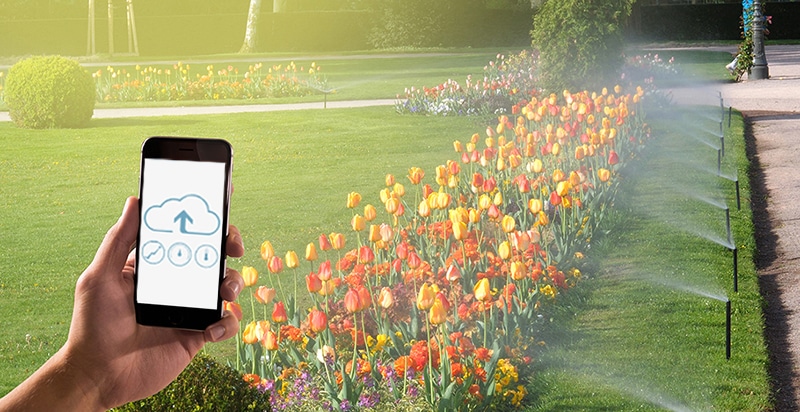
Smart irrigation controllers are quickly becoming a must have upgrade for American homeowners who want healthier lawns, lower water bills, and less manual work.
In 2026, AI powered sprinkler systems promise to automatically adjust watering schedules based on weather, soil conditions, and plant needs.
But do smart irrigation controllers actually save water and money, or are they just another smart home trend?
In this in depth review, you will find technical specifications, brand comparisons, real world use cases, pricing in the US market, and answers to the most common questions.
What Is a Smart Irrigation Controller?
A smart irrigation controller replaces or upgrades a traditional sprinkler timer.
Instead of watering on a fixed schedule, it uses data and AI algorithms to decide when and how much to water.
Most modern systems connect to Wi Fi and can be controlled from a smartphone app.
Key Differences From Traditional Controllers
- Uses real time weather data
- Adjusts watering automatically
- Supports multiple zones
- Remote control via mobile app
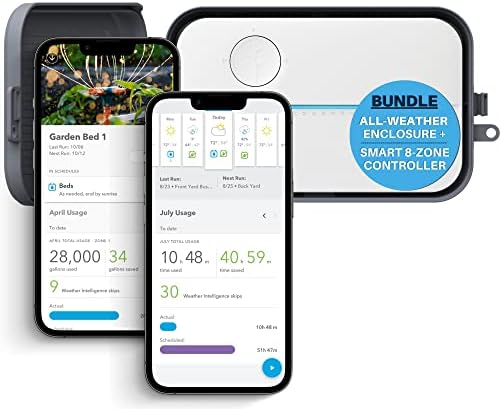
- Water usage reports and analytics
How AI Smart Irrigation Controllers Work in 2026
AI powered irrigation systems in 2026 go far beyond simple weather based delays.
They combine multiple data sources to optimize watering.
Data Sources Used
- Local and hyperlocal weather forecasts
- Rain sensors
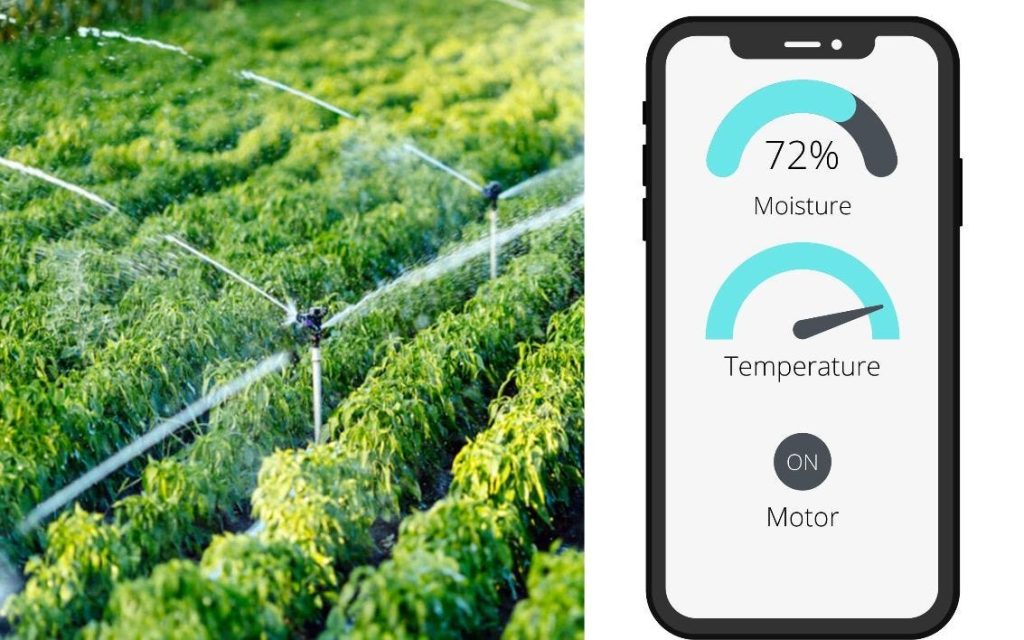
- Soil moisture sensors
- Plant type and lawn size
- Historical watering data
- Seasonal evapotranspiration rates
The result is precision watering that reduces waste without stressing plants.
Technical Specifications Overview
| Feature | Typical Specification in 2026 |
|---|---|
| Connectivity | Wi Fi 2.4 GHz and 5 GHz |
| Zones Supported | 8 to 16 zones |
| Power | 24V AC transformer |
| App Support | iOS and Android |
| Sensors | Rain, soil moisture optional |
| Smart Home Integration | Alexa, Google Assistant, Apple Home |
| AI Optimization | Weather based and adaptive learning |
| Water Reports | Daily, weekly, monthly |
Best Smart Irrigation Controllers in the US for 2026
Below are the most popular premium smart irrigation controllers sold in the United States.
Rachio 3 Plus
| Specification | Details |
|---|---|
| Zones | 8 or 16 |
| AI Features | Weather intelligence, soil adaptation |
| Power Consumption | Approx 3W |
| Price Range | $180 to $250 |
| Best For | Large lawns and advanced users |

RainMachine Pro
| Specification | Details |
|---|---|
| Zones | 12 or 16 |
| AI Features | Local weather stations, offline mode |
| Power Consumption | Approx 4W |
| Price Range | $250 to $350 |
| Best For | Data driven users and professionals |


Orbit B hyve Smart Controller
| Specification | Details |
|---|---|
| Zones | 6 to 12 |
| AI Features | Smart weather delays |
| Power Consumption | Approx 2.5W |
| Price Range | $120 to $180 |
| Best For | Budget friendly smart upgrade |


Hunter Hydrawise
| Specification | Details |
|---|---|
| Zones | 12 to 24 |
| AI Features | Advanced predictive watering |
| Power Consumption | Approx 4W |
| Price Range | $500 to $850 |
| Best For | Professional landscaping and large properties |
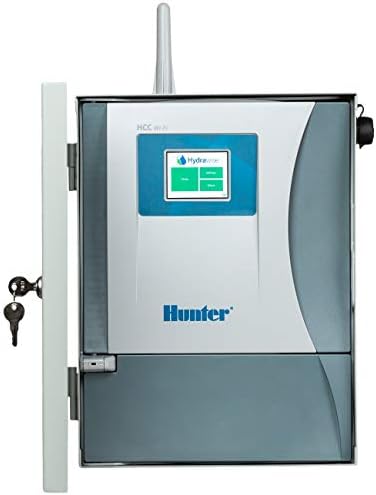
- Wi-Fi enabled for quick connection to Hydrawise software.
- Comes with 8 Stations and can expand up to 54 with additional ICM modules (not included). Second picture for reference o…
- Dual voltage 120v / 230v for domestic and international use. Can operate up to 2 stations simultaneously. Pre-wired Smar…
New Smart Irrigation Trends for 2026
Smart irrigation systems in 2026 focus heavily on sustainability and automation.
Major Innovations
- AI learning plant behavior over seasons
- Integration with smart water meters
- Drought compliance automation
- Solar powered sensor expansion
- Voice controlled watering zones
These upgrades make smart irrigation part of a broader smart outdoor ecosystem, similar to what we are seeing with autonomous lawn care solutions like those discussed in Robot Lawn Mowers Review 2026: Are Autonomous Mowers Worth the Investment?
Do Smart Irrigation Controllers Really Save Water and Money?
Based on US EPA and manufacturer data, most homeowners report measurable savings.
Average Savings
- Water reduction of 20 to 50 percent
- Monthly bill savings between $15 and $40
- Payback period of 12 to 24 months
Savings are highest in states with variable weather like California, Texas, and Arizona.
Pros and Cons of Smart Irrigation Controllers
Pros
- Automatic watering optimization
- Reduced water waste
- Healthier lawns and plants
- Remote control and monitoring
- Long term cost savings
Cons
- Higher upfront cost
- Requires Wi Fi connection
- Initial setup learning curve
FAQs About Smart Irrigation Controllers
Do smart irrigation controllers work with existing sprinkler systems?
Yes. Most models are designed to replace traditional timers without changing valves or pipes.
Do I need soil sensors?
They are optional but improve accuracy, especially in mixed soil types.
Can smart controllers handle drought restrictions?
Yes. Many systems automatically adjust to local watering regulations.
Are they hard to install?
Most homeowners can install them in under one hour.
Are they worth it for small yards?
Yes, especially in regions with high water costs.
Are Smart Irrigation Controllers Worth It in 2026?
If you want lower water bills, less maintenance, and a smarter outdoor setup, smart irrigation controllers are absolutely worth it in 2026.
They deliver real savings, adapt automatically to weather, and integrate smoothly with modern smart homes.
For homeowners already investing in outdoor automation, combining smart irrigation with robotic lawn solutions creates a powerful and efficient ecosystem.