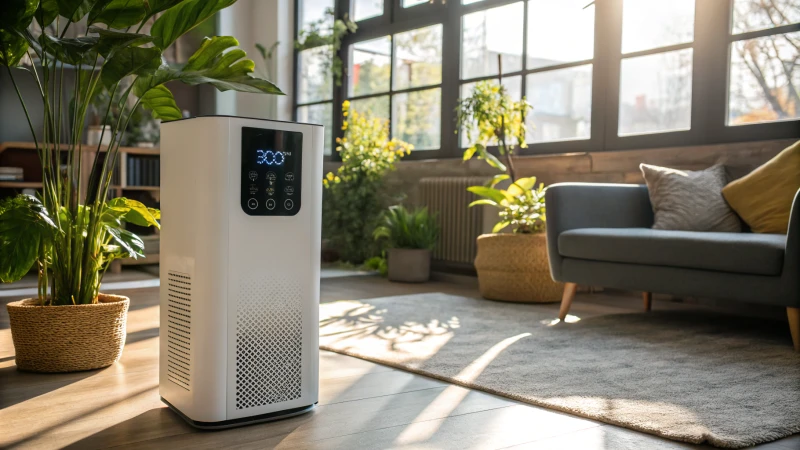
Indoor air quality has become a real concern in American homes. Allergies, wildfire smoke, pollution, pets, and smart home integration are pushing traditional air purifiers to their limits. In 2026, smart indoor air purifiers with AI promise something new: automatic, adaptive air cleaning that responds to real time conditions without constant manual control.
This review analyzes the best AI powered air purifiers available in the United States, compares technical specifications, pricing, performance, and helps you decide whether upgrading makes sense.
What Makes an Air Purifier AI Powered?
AI powered air purifiers go beyond simple fan speed adjustments. They use onboard sensors and machine learning algorithms to understand indoor air patterns and optimize performance automatically.
Key AI features include:
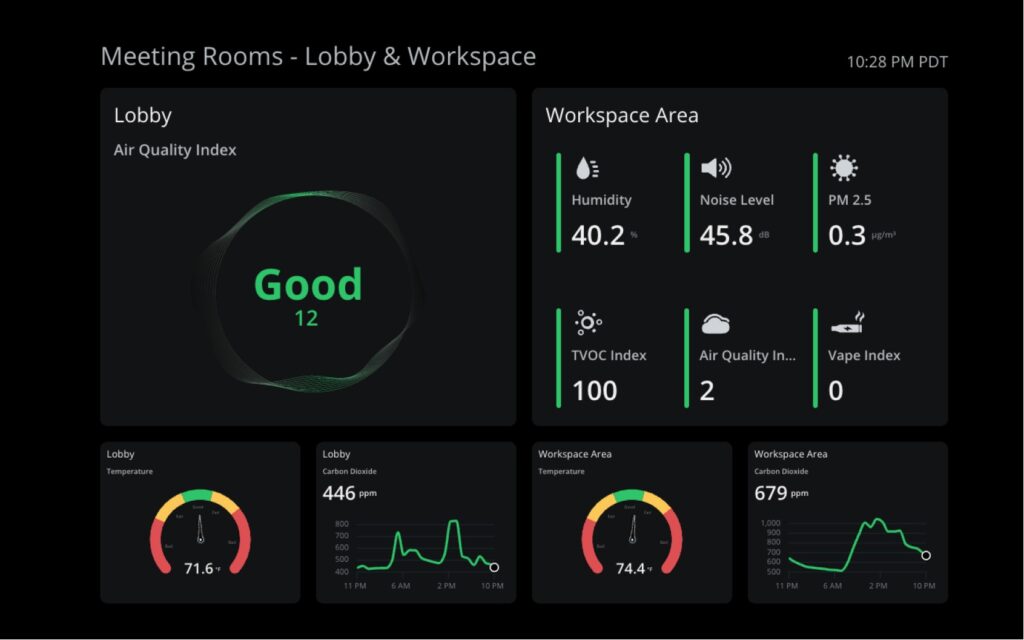
- Real time air quality analysis using PM2.5, VOC, CO2, and humidity sensors
- Predictive adjustments based on historical data
- Automatic response to cooking, pets, smoke, or pollen spikes
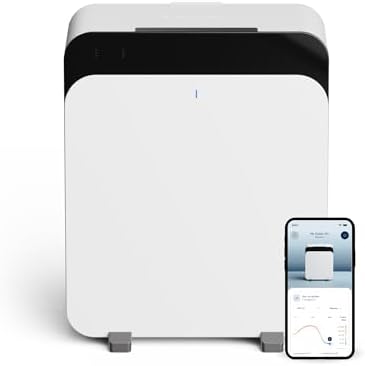
- Smart integration with mobile apps and voice assistants
- Energy optimization to reduce power consumption
This category pairs naturally with other smart climate devices.
Smart Dehumidifiers with Air Quality Sensors Review: Are They Worth It in 2026?
What Changed for Smart Air Purifiers in 2026?
The 2026 generation introduces meaningful improvements:
- More accurate multi sensor arrays
- Faster response times to air quality changes
- Quieter motors with better airflow efficiency
- Improved HEPA and carbon filtration
- Deeper smart home ecosystem integration
Manufacturers now focus less on raw fan power and more on intelligent airflow management.
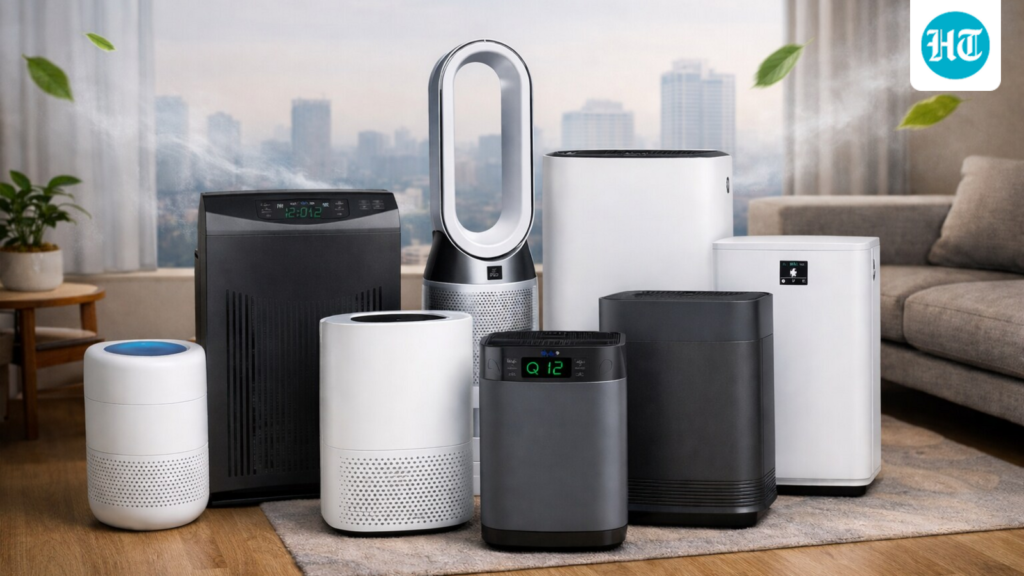
Best Smart Indoor Air Purifiers with AI in the US for 2026
Comparison Table of Premium Models
| Model | Coverage Area | Filtration | Sensors | Noise Level | Power Use | Price Range |
|---|---|---|---|---|---|---|
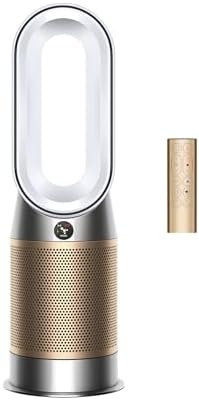
| Dyson Purifier Big Quiet Formaldehyde | Up to 1000 sq ft | HEPA H13 + Carbon | PM2.5, VOC, Formaldehyde | Very low | Optimized | $799 to $899 |
| Molekule Air Pro | Up to 1000 sq ft | PECO HEPA | VOC, Particles | Low | Moderate | $999 to $1199 |
| Coway Airmega ProX | Up to 2100 sq ft | Dual HEPA + Carbon | PM2.5, Gas | Low | Efficient | $799 to $899 |
| Blueair HealthProtect 7770i | Up to 1800 sq ft | HEPASilent Ultra | PM2.5, VOC | Very low | Efficient | $699 to $799 |
| Philips Smart Air Purifier 4000i | Up to 1500 sq ft | HEPA + Carbon | PM2.5, Allergens | Low | Optimized | $649 to $749 |
Key Technical Specifications Explained
Filtration Technology
Most premium models use HEPA H13 filters capable of capturing 99.97 percent of particles down to 0.3 microns. Carbon filters handle odors and gases. Some models add formaldehyde specific filtration.
Sensor Accuracy
Modern sensors detect:
- Fine particulate matter
- Volatile organic compounds
- Allergens
- Humidity and temperature
AI uses this data to adjust airflow intelligently instead of running at full speed constantly.
Noise Levels
AI optimization allows quieter operation by avoiding unnecessary fan surges, making these devices suitable for bedrooms and offices.


Energy Efficiency and Operating Costs
Smart air purifiers in 2026 are designed to minimize energy waste:
- Adaptive fan speeds reduce power draw
- Eco modes activate during clean air periods
- Filter life tracking prevents early replacement
Average yearly electricity cost is typically under $40 for continuous use.
Real User Ratings and Feedback
Dyson Purifier Big Quiet
Average Rating: 4.7 out of 5
Users praise ultra quiet operation, strong airflow, and effective odor removal. Higher price is the main drawback.
Coway Airmega ProX
Average Rating: 4.6 out of 5
Highly rated for large spaces and reliable sensor accuracy. Excellent balance of performance and cost.
Blueair HealthProtect 7770i
Average Rating: 4.5 out of 5
Popular for silent operation and app experience. Some users note replacement filters are premium priced.
Who Should Buy an AI Powered Air Purifier?
This category makes sense if:
- You live in areas affected by wildfire smoke or pollution
- You have allergies or asthma
- You own pets
- You want automatic air quality control
- You prefer low maintenance smart home devices
If you only need occasional air cleaning, a basic purifier may suffice. AI powered models shine with continuous daily use.
FAQs About Smart Air Purifiers with AI
Do AI air purifiers actually clean better?
Yes. They clean more efficiently by responding instantly to pollution spikes instead of running blindly.
Are replacement filters expensive?
Premium filters cost more but last longer due to optimized usage.
Can they integrate with smart homes?
Most models support Alexa, Google Assistant, and dedicated apps.
Do they help with wildfire smoke?
Yes. HEPA and carbon filters are effective against smoke particles and odors.
Are they safe to run all day?
Yes. They are designed for continuous operation with safety protections.
Are Smart AI Air Purifiers Worth It in 2026?
Yes. For households serious about air quality, smart indoor air purifiers with AI are worth the investment. They provide cleaner air, lower noise, better energy efficiency, and minimal manual intervention.
As smart homes become more autonomous, these devices represent a clear step toward healthier indoor living.