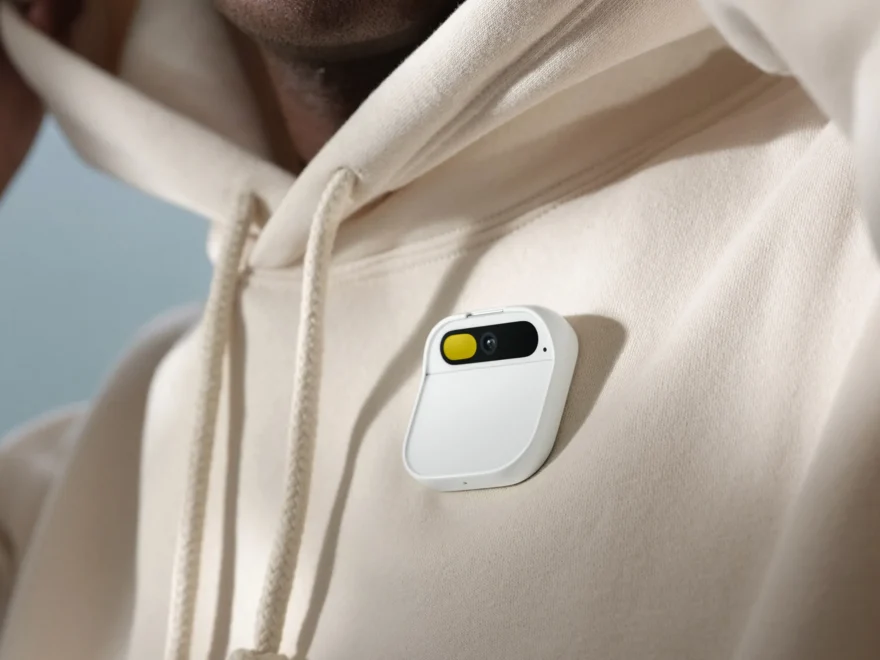
Screenless AI wearables are quietly reshaping how people interact with technology. Instead of staring at displays, these devices rely on voice, context, and ambient intelligence to deliver information exactly when it matters.
From AI pins and pocket companions to smart pendants that summarize your day, this category is growing fast—driven by digital minimalism, productivity fatigue, and rapid advances in on-device AI.
In this review, we analyze the most relevant AI wearables without screens, explain how they work in real life, and help you decide whether this emerging tech trend is actually worth adopting.
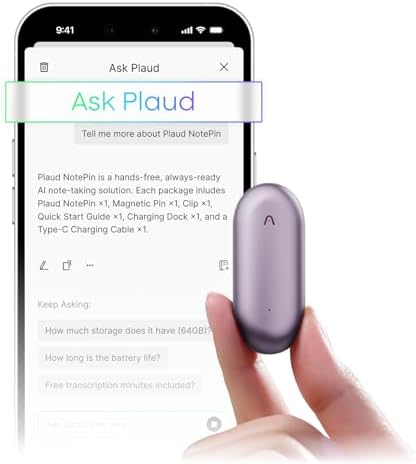

Overview: What Are Screenless AI Wearables?
Screenless AI wearables are devices that remove the traditional display and replace it with:
- Voice interaction
- Context-aware AI
- Audio or haptic feedback
- Cloud or hybrid on-device intelligence
Who are they for?
- Professionals seeking fewer distractions
- Creators and writers
- Executives and students in meetings
- Anyone experiencing screen fatigue
Why are they relevant now?
Advances in natural language processing and contextual AI allow these devices to deliver value without visual overload, aligning with the broader movement toward ambient computing.
At this point, it’s impossible not to connect this trend with how AI is being embedded into everyday products. If you want a broader perspective on how artificial intelligence is already impacting daily life across devices, this topic aligns naturally with the article “Apple Intelligence in Real Life”, which explores similar real-world AI use cases across consumer tech.
Key Features and Specifications
| Feature | What It Means in Practice |
|---|---|
| Voice-first interface | Natural conversations without touch |
| Context awareness | Understands meetings, locations, routines |
| Cloud AI integration | More powerful responses |
| Wearable or pocket form | Always accessible |
| No screen | Zero visual distraction |
These devices prioritize utility over interface, which is their main differentiator.
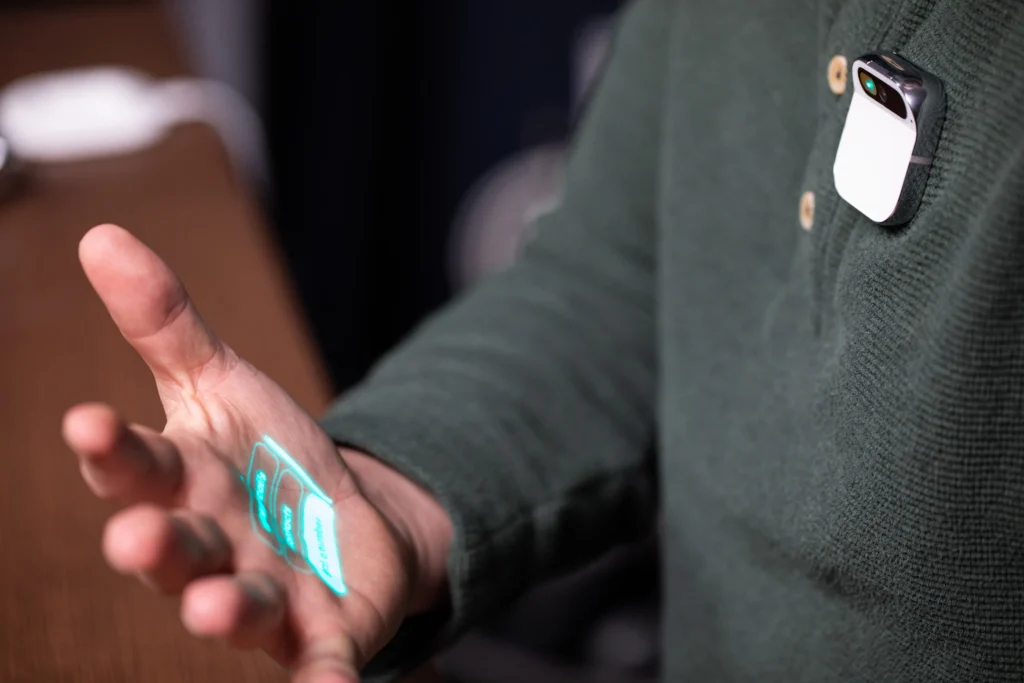
Real-World Performance and Daily Use
In everyday scenarios, screenless AI wearables excel at:
- Recording meetings and summarizing conversations
- Answering contextual questions hands-free
- Managing reminders and voice notes
- Acting as an AI “second brain”
However, they are not replacements for smartphones. Instead, they complement phones by handling quick interactions without pulling you into endless notifications.
Battery life varies widely, but most last a full working day with moderate use.

Pros and Cons
Pros
- Reduces screen dependency
- Faster access to information
- Strong productivity benefits
- Discreet and lightweight
- Aligns with digital minimalism
Cons
- Still dependent on cloud connectivity
- Learning curve for voice commands
- Privacy concerns for some users
- Limited use cases compared to smartphones
User Reviews
Daniel M. — 8.5/10
“Perfect for meetings. I barely take notes anymore.”
Sarah L. — 7.8/10
“Love the concept, but battery life could be better.”
Michael R. — 9.0/10
“It changed how I interact with AI daily. Surprisingly useful.”
Laura T. — 7.5/10
“Great for productivity, but not for casual users.”
Kevin B. — 8.2/10
“Once you get used to voice-first interaction, it’s hard to go back.”

- [HARD SHELL PROTECTION]: Our premium travel cases work as a perfect carrying case for your wearable Ai device. The rugge…
- [NON-SCRATCH INTERIOR & FOAM PAD]: This case’s non-scratch interior and impact-absorbing foam “donut” pad keeps your wea…
- [NETTED ACCESSORY POUCH]: These small carrying cases feature a netted accessory pouch with elastic strap that’s great fo…
Comparison: Screenless AI vs Smartwatches
Unlike smartwatches:
- No notifications overload
- No constant visual engagement
- Focus on cognition, not fitness
Compared to earbuds or assistants:
- More context-aware
- Designed for continuous daily use
Screenless AI wearables occupy a new category, not a replacement for existing ones.
FAQ — Frequently Asked Questions
Do screenless AI wearables replace smartphones?
No. They complement smartphones by handling quick, hands-free interactions.
Are these devices always listening?
Most activate only via wake words or physical gestures, but privacy policies vary by brand.
Are they worth it in 2026?
For productivity-focused users, yes. For casual users, results may vary.
Do they work offline?
Limited functionality offline; most rely on cloud AI.
Who benefits the most from this tech?
Professionals, students, writers, and anyone aiming to reduce screen time.

- THE ORIGINAL AI-NATIVE GADGET: rabbit r1 keeps improving, with regular software updates and new features for customers. …
- NEW AND IMPROVED AI MEETING RECORDER: r1’s voice recorder has been re-imagined to become your reliable AI meeting assist…
- OPENCLAW ACCESS ON r1: rabbit r1 is the first AI gadget with OpenClaw access. If you already have OpenClaw set up on you…
Final Verdict
AI wearables without screens may seem strange at first, but they represent a meaningful shift toward ambient, less intrusive technology.
They are not for everyone, but for users seeking productivity, focus, and fewer screens, they already deliver real value. As AI continues to mature, this category is likely to grow rather than disappear.
If you want technology that works quietly in the background instead of demanding attention, this is a trend worth watching, and possibly adopting.
4 comments